
It’s Time to Paint Your Front Door
Your front door is the first thing your guests see when they approach your home. It should prepare them for the beautiful interior that waits inside.
Updating the front of your home doesn’t need to break the bank. Sometimes a little paint, new door hardware, and some new lighting is all you need!
Your front door is the first thing your guests see when they approach your home. It should prepare them for the beautiful interior that waits inside.
Updating the front of your home doesn’t have to break the bank. Sometimes a little paint, new door hardware, and some new lighting is all you need!
The Design Challenge
Our client was looking to spruce up her front door entryway. The hardware finish was degraded, the paint was tired, and the lighting didn’t coordinate with the rest of her beautiful interior. We were challenged to update this front door with some new hardware, paint, and sconce lighting.


The Design Process
We started by taking influence from the stained glass motif. The square nature of the design influenced us to select square hardware and lighting. We went with a pewter metal finish for the hardware, as it coordinated with the metal in the stained glass. Matte black square lanterns completed the look.


Selecting a Paint Color
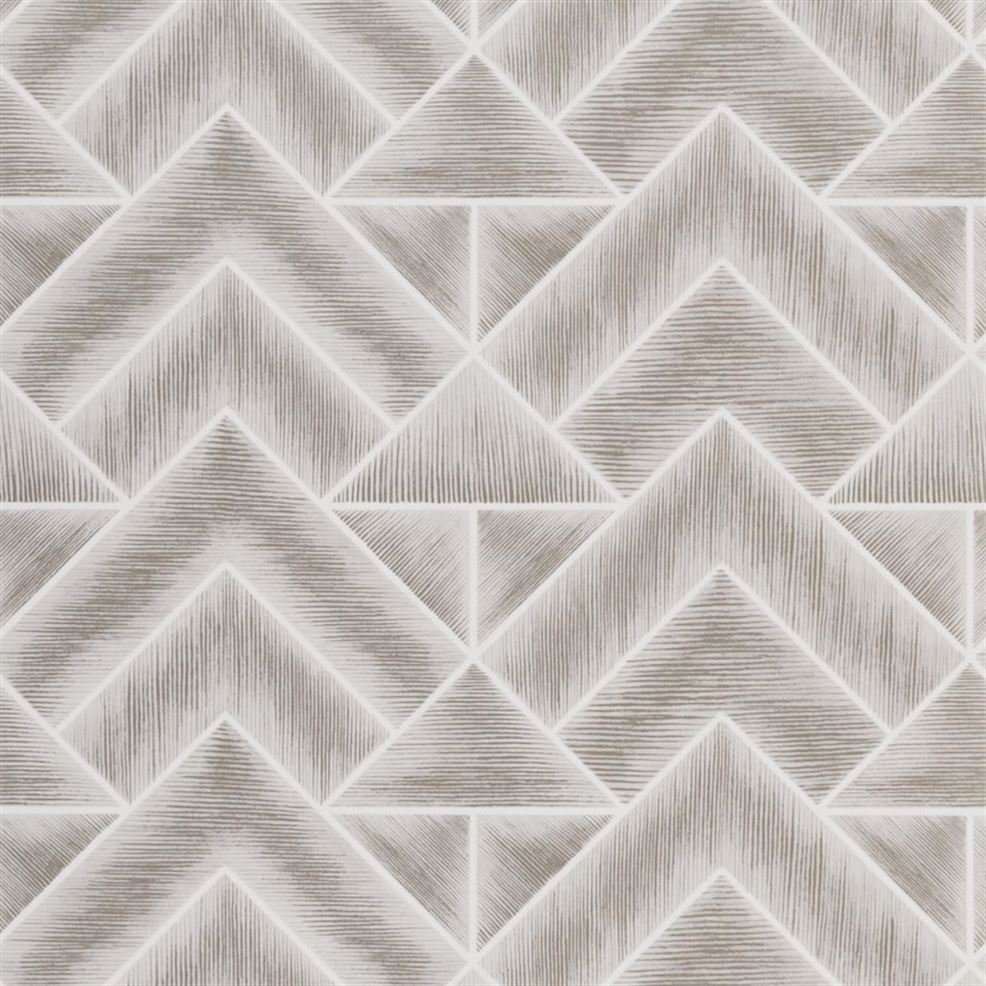
When selecting the front door paint color, we thought about the context of the whole home. The palette was rich and vibrant aqua and teal tones that balanced well with the neutrals. We used a lot of angled geometry, which also nicely tied in the rectangular design of the new door hardware and sconce lighting.


Benjamin Moore Aegean Teal
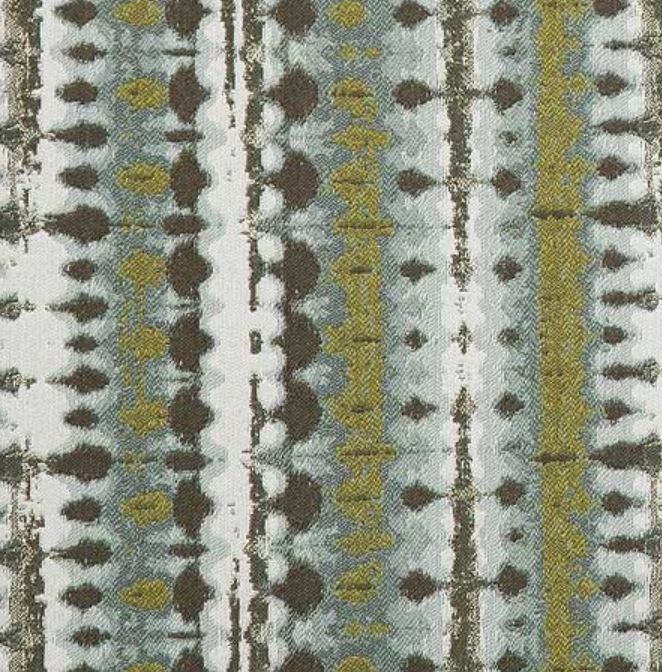
We finally landed on Benjamin Moore’s 2021 Color of The Year - Agean Teal as the paint color. It’s a beautiful blend of blue-green and gray. It’s an intriguing midtone that creates natural harmony; a balanced and soothing color that allows you to reflect and reset. It goes great with browns, taupe, chartreuse, and whites.
This welcoming color was perfect for the client’s front door.

The Reveal


Need help refreshing your front door? Schedule a design consultation today!

Bianka Daehler: ASID Illinois At- Large Director
We are excited to announce that our Senior Interior Designer, Bianka Daehler has been nominated and voted in as the At-Large Director for the ASID Illinois Chapter.
We are excited to announce that our Senior Interior Designer, Bianka Daehler has been nominated and voted in as the At-Large Director for the American Society of Interior Designers Illinois Chapter.
Her two year term will begin on October 1st, 2022. Bianka began her journey as an ASID member while in school at the Illinois Institute of Art Chicago. As she progressed in her career, Bianka realized that she wanted to pursue a path toward NCIDQ certification and rejoined ASID, which provided resources and connections to others on the same journey.
Interior Design rights and legislation sparked Bianka’s interest in pursuing a path of leadership. Her goals are to enhance the design community by increasing the number of Registered Interior Designers, provide resources for those pursuing NCIDQ certification, and help advance the legislative rights of interior designers. She plans to connect and collaborate with other organizations to unify the expansive Chicago design community.
Bianka currently serves as the Chicago Peer Group Leader, where she hosts monthly meet-ups for ASID designers and industry partners.
This is her last year studying for the NCIDQ exam. Upon passing the Prac exam this spring, Bianka will become NCIDQ Certified and Register with the State of Illinois.
ASID has so much to offer!
Interested in learning more about ASID? ASID members can get involved with committees and volunteer groups, attend peer group meetings, educational lectures and advocacy events, seek mentorship or become mentors, and learn leadership and professional development skills. We, as a design team, would not be where we are today without the support of the American Society of Interior Designers. We look forward to being able to give back in every way we can so we may continue to support the design community.
If you’re interested in becoming more involved in ASID, please reach out! Bianka@SarahJacquelynInteriors.com



Everything You Need to Know About the 2022 NCIDQ Exam
If you’re interested in learning more about the NCIDQ Exam, why it’s important, and how it can benefit you as a designer, you’re in the right place! I’m Sarah Schwuchow, a Registered Interior Designer in Illinois and I passed the NCIDQ exam in the Spring of 2018. I am also a CIDQ Ambassador, which means I help mentor exam candidates, educate students, and promote the value of NCIDQ certification to the public. I’m on a mission to help other designers pass the NCIDQ exam and become Registered Interior Designers!

Hello! I’m so glad you are interested in learning more about the NCIDQ Exam!
I’m Sarah Schwuchow, a Registered Interior Designer in Illinois and I passed the NCIDQ exam in the Spring of 2018.
I am also a CIDQ Ambassador, which means I help mentor exam candidates, educate students, and promote the value of NCIDQ certification to the public. I’m on a mission to help other designers pass the NCIDQ exam and become Registered Interior Designers!
If you’re interested in learning more about the NCIDQ Exam, why it’s important, and how it can benefit you as a designer, you’re in the right place!

It’s been 4 years since I earned my NCIDQ certification. This certification has benefited me in numerous ways, from opening my own business, to having the confidence and knowledge to effectively communicate on a job site. This exam is not just for commercial interior designers; I use my NCIDQ knowledge everyday as a residential interior designer and highly recommend all interior designers work towards this certification.
I always felt there was a need for more NCIDQ mentorship among the design community. After passing the exam, I looked into the CIDQ Ambassadors program where I could provide mentorship to candidates and educate Interior Design students on the value of the NCIDQ exam. I strive to be a resource to other designers, sharing my NCIDQ journey and encouraging them to take the exam.
I have helped many aspiring designers work towards this certification as well. As the 2019 ASID Illinois NCIDQ Committee Chair, I lead a study group of 5 designers towards NCIDQ success. Everyone in our study group passed their exams! Since then, the ASID Illinois Chapter has hosted a study group session every testing season and has even partnered with IIDA to broaden the outreach to the design community.
Just starting to think about taking this exam can be daunting task in itself! I’m here to help break down the requirements and get you on track for taking the exam. Keep reading below for step by step instructions on how you can become NCIDQ Certified.
Please note - the statements on this website are my own and not a reflection of CIDQ as an organization. This blog post is intended to be a supplementary guide for your NCIDQ journey. Please visit CIDQ.org for more information regarding qualifications, expectations, current prices, etc. Familiarize yourself with the CIDQ website, eligibility requirements, application process, registration process, and important dates and deadlines!
Applications for the Spring 2022 Exam needed to be
submitted by January 31st and July 31st for the Fall 2022 Exam.

What is NCIDQ Certification and Who is CIDQ?
The NCIDQ exam stands for the National Council for Interior Design Qualification. This is a globally recognized exam and the highest standard an Interior Designer can earn. The NCIDQ Exam was created by the Council for Interior Design Qualification (CIDQ). Once you pass all three sections (IDFX, IDPX, Practicum) of the the NCIDQ Exam, you become an NCIDQ Certificate Holder. You can then use the NCIDQ appellation after your name: Sarah Schwuchow, NCIDQ. The exam is offered for the entire months of April and October at Prometric Testing Centers. Remote proctoring is available for the IDFX and IDPX Exams. All three sections of the exam are now computerized- no hand drafting!

CIDQ History
CIDQ was created by the American Institute of Interior Designers (AID) and the National Society of Interior Designers (NSID) in the late 1960s. The group officially incorporated as a not-for-profit in 1974 and was the basis for issuing credentials to Interior Design professionals. The AID and NSID would eventually merge to become what is now the American Society of Interior Designers. CIDQ went on to run as an independent organization, which administers the NCIDQ exam
Why Does NCIDQ Certification Matter?
NCIDQ Certification matters because it is an indicator of our proficiency and knowledge. The Interior Design profession is still relatively young at only about 100 years old. We are still working towards reasonable regulation, title acts, practice acts, stamping abilities, and legislative rights for our profession. NCIDQ Certification helps to create a standard to ensure designers have the knowledge, education, and experience to create spaces that meet codes, regulations, ADA requirements, health, safety, and welfare. I am proud to be an NCIDQ Certified Interior Designer that can contribute to the development of the Interior Design profession as a whole
The NCIDQ exam was always a vital goal of mine and I admired design professionals who held the credentials. In the State of Illinois, you must be an NCIDQ Certificate holder to become a Registered Interior Designer. From a legislative standpoint in Illinois, it is critical that we ensure the “Registered Interior Designers Act'' stays in effect, as many legal benefits come with this title such as lien rights. I wanted to be part of the advocacy efforts, increasing our Registered Interior Designer numbers, and supporting the ASID and IIDA chapters who continuously educate the public on Interior Designs' impact on health, safety and welfare.
10 Reasons Why You Should Take the NCIDQ Exam
NCIDQ Certification sets you apart from unqualified designers and decorators.
It is an indicator of your proficiency and knowledge.
NCIDQ Certification shows your commitment to the Interior Design profession.
You’ll earn respect among your colleges, employers and clients.
You’ll have the potential to earn more money and promotions, as many firms require NCIDQ Certification.
Increasing the number of registered/licensed designers elevates our profession.
NCIDQ Certification helps with legislation and Interior Design rights.
In Illinois, you must be an NCIDQ Certificate Holder to become a Registered Interior Designer.
Registered Interior Designers in Illinois now have the right to file liens. Unregistered designers and decorators do not hold this right.
“To date, more than 30,000 people around the world have earned NCIDQ Certification, the gold standard for interior design professionals” (CIDQ.org).
What’s on the NCIDQ Exam?
“The strenuous requirements of the NCIDQ Examination give clients and employers added confidence in the caliber of work from NCIDQ Certified designers” (CIDQ.org).
The NCIDQ examination is no walk in the park. The level of difficulty proves that a NCIDQ designer possesses the knowledge and expertise for building systems, codes, construction standards, contract administration, design application, professional practice, and project coordination.
The exam is broken down into 3 parts: Interior Design Fundamentals (IDFX), Interior Design Professionals Exam (IDPX), and Practicum 2.0. Each section measures a candidate’s knowledge and proficiency on different topics related to health, safety, and welfare. All exams are taken during the entire month of April and October. Applicants have five years to complete all three exams.
Fundamentals Exam (IDFX)
Eligibility: Candidates can take this part of the exam before completing their work experience hours. This exam can be taken as early as a student’s final year of school for a Bachelors or Masters program.
Exam Format: 125 multiple choice questions (100 scored and 25 unscored pilot questions)
Exam Length: 3 Hours
Application Fee for IDFX Only: $95.00
Registration Fee: $295.00
Passing Score: 500 (Scores are weighted and on a scale of (200-800)

Professional Exam (IDPX)
Eligibility: Candidates must complete their education and work hours before applying for this exam.
Exam Format: 175 multiple choice questions (150 scored and 25 unscored pilot questions)
Exam Length: 4 Hours
Application Fee for IDPX and Prac Only: $145.00
Application Fee for all 3 Sections: $225.00
IDPX Registration Fee: $355.00
Passing Score: 500 (Scores are weighted and on a scale of 200-800)

Practicum 2.0 (PRAC)
Eligibility: Candidates must complete their education and work hours before applying for this exam.
Exam Format: Interactive computerized exam consisting of 3 case studies: large commercial, small commercial, and multi-family residential
Exam Length: 4 Hours
Application Fee for IDPX and Prac Only: $145.00
Application Fee for all 3 Sections: $225.00
Practicum Registration Fee: $460.00
Passing Score: 500 (Scores are weighted and on a scale of 200-800)

What’s New for 2022?
Interior Design Fundamentals Exam and Interior Design Professional Exam
The IDFX and IDPX are now available for remote proctoring! Remote proctoring is an exam delivery method administered by Prometric, CIDQ’s test delivery vendor, which provides candidates with the option of taking the IDFX or IDPX exams in a convenient location (i.e., at home) versus at a Prometric test center. Participating in a remotely proctored exam can only occur if your testing environment and computer systems meet Prometric requirements.
Practicum Exam
The Practicum Exam uses new codes, no longer will you use the 18 page NCIDQ codes for this exam. Instead, you will reference real life codes from IBC. You are not expected the completely memorize all of these codes, but should be familiar with them, know how to reference and apply the codes. Click here to view the codes!


Ready to Take the Exam?
Step 1: Eligibility Requirements

First things first—are you qualified to take the NCIDQ Exam? Visit the CIDQ website for full eligibility path requirements based your education and work experience.
Step 2: Create an Account
Before you can apply, you must create an account with CIDQ. Click here to register and then log in with instructions received in your email. If you have trouble, email inquiries@cidq.org for help.

Step 3: Applying for the Exam
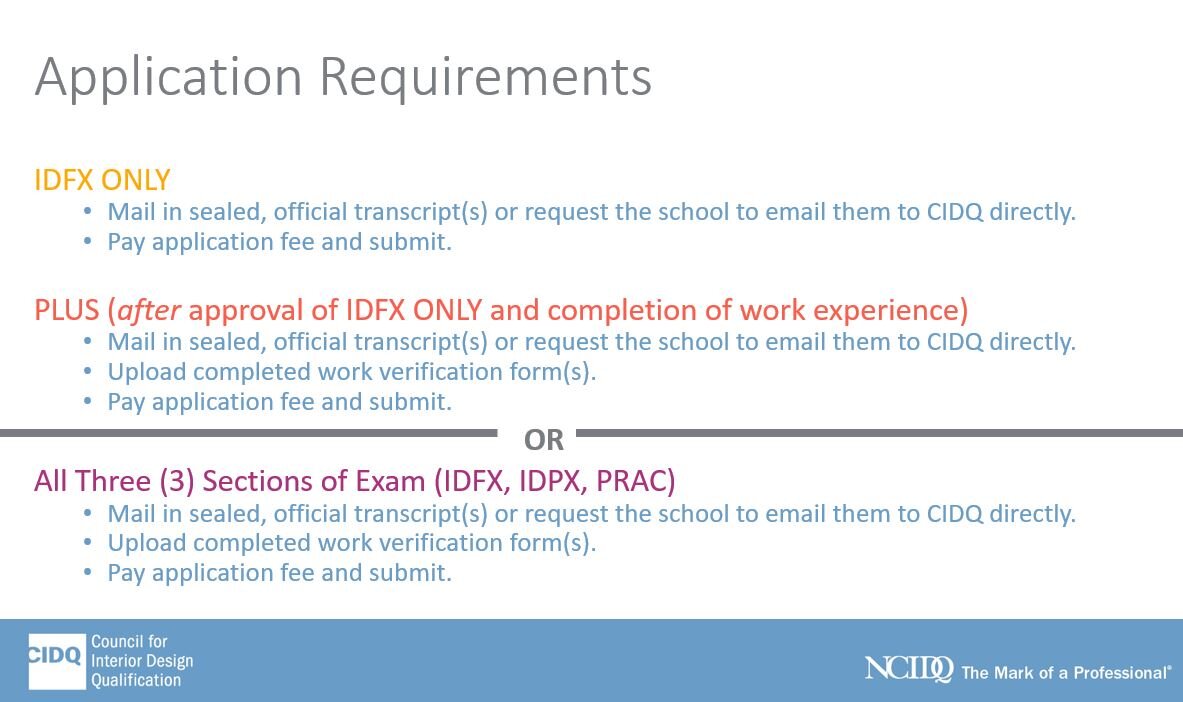
There are two route options for applying for the NCIDQ Exam:
Option 1: Apply only for the IDFX. If you apply just for the IDFX now, you will need to submit another application for the IDPX and Practicum once you finish your work experience hours.
Application Fee for IDFX only: $95.00 (Second application for IDPX and Prac will be $145.00)
Option 2: Apply for all three sections.
Application Fee for all 3 Sections: $225.00
Applications are a one time fee. Your application will also require you to submit an official transcript from your institution and your work experience (for IDPX & Practicum 2.0). Make sure you leave enough time for your sealed official transcripts to arrive, as any incomplete applications will not be considered after the deadline and you’ll have to wait until the next testing season.
Step 4: Registering and Scheduling Your Exam
Once your application has been approved, you will receive an email notifying you that you that can register for the exam and schedule a date at a Prometric Testing Center. Make sure to register early so you can lock in your preferred exam date!
From this point, you have 10 testing windows to pass all three sections of the NCIDQ exam. If you are only taking the IDFX, you must pass that exam within 4 exam windows. The second stage (IDPX and Practicum) must then be completed within 10 testing windows. Any scores older than 5 years are automatically voided. Registration fees occur each time you take an exam.
Registration Fees
IDFX: $295.00
IDPX: $355.00
PRAC: $460.00
Step 5: Studying
Make sure you leave yourself adequate time to study for this exam. I recommend at least 10 weeks and join a study group. Qpractice is a great online resource to help you stay on schedule. Stay tuned for my upcoming blog post on my tips and tricks for studying for the NCIDQ Exam!

Join the more than 30,000 people around the world that have earned their NCIDQ Certification!

“Having an NCIDQ has helped me further develop my professional career in many ways. Overall, I look at new projects with better insight, knowledge, and have more confidence in the work I am providing to our clients.”
“NCIDQ validates you as a professional designer to your clients, peers, and the public.”

Sarah Schwuchow is now a WELL Accredited Professional
Our Principal Interior Designer, Sarah Schwuchow, earned her WELL AP Certification. This certification shows Sarah’s commitment to design and create healthier spaces. Read on to find out more about this certification and how this credential impacts lives for the better!
Last month, our Principal Interior Designer, Sarah Schwuchow, earned her WELL AP credential. This shows SJI’s commitment to design and create healthier spaces. Read on to find out more about this certification and how this credential impacts lives for the better!

“Those who successfully pass the WELL AP exam and receive the WELL Accredited Professional (WELL AP) credential are recognized for their expertise in the WELL Building Standard (WELL) and for demonstrating a commitment to advancing human health and wellness in buildings and communities around the world.”
-www.resources.wellcertified.com/faqs/what-is-a-well-ap/

Sarah has always been interested to understand how the environment can impact health and wellbeing. WELL is a commitment to advancing human health in buildings and communities, using evidence-based medical research by scientists, medical professionals, wellness teachers and architects.
As someone who has a family experience with cancers, auto immune diseases, and mental health disorders, it’s very important to Sarah to learn how SJI can make an impact in what we do as designers and how the spaces we design can impact our clients’ physical and mental wellbeing.
We are committed to doing our research and educating the public on the ways that environmental and biological factors play a role in our health and wellness.
“Becoming a WELL AP gives you the opportunity to become an ambassador for public health and design spaces that empower people to eat, sleep, work out, perform and feel their best.” -www.asid.org/learn/well
The WELL Building Standard focuses on 7 concepts for healthier buildings & spaces:


AIR
We spend 90% of our time indoors, therefore indoor air quality is vitally important. We need to consider off-gassing from building materials in our designs, such as VOC’s from paints.
Indoor air quality issues can diminish work productivity and lead to sick building syndrome (no disease or cause is identified but health effects are linked to time spent in the building). Pollution source avoidance, proper ventilation and air filtration are some of the most effective means of achieving higher indoor air quality.
WATER
Clean drinking water is vital for optimal health. 2/3 of our bodies are composed of water; it helps our bodies transport nutrients and waste, regulates our body temperature and serves as a shock absorber for the brain and spinal cord. Women should consume 2.7L and men should should consume 3.7L of water daily according to the Institute of Medicine.
Water contamination is major health issue. Almost 1 billion people do not have access to safe drinking water worldwide and 2 million people die annually from access to safe drinking water. The Clean Water Act of 1974 in the US by the EPA provides standards for levels of contaminants allowed in our water such as lead, arsenic, mercury, glyphosate, atrazine and microbes. These limits are set based on the likelihood of causes health effects like cancer.
WELL seeks to help limit the presence of inorganic containments - like Lead and mercury in our drinking water which have been linked to developmental delays, learning disabilities, high blood pressure and kidney problems. Reverse Osmosis and Kinetic Degradation Fluxion filters can remove these dissolved metals. WELL also seeks to limit the presence of organic contaminates like Benzene and PCB’s which are linked to cancer, immune deficiencies and nervous system difficulties. Carbon filters are effective at removing these and other harmful chemical substances.


NOURISHMENT
Nutrition plays a major role in health maintenance, weight management, and chronic disease prevention. 2.7 Million people die annually worldwide due to insufficient fruit and vegetable intake. It’s a top 10 risk factor of global mortality. Low fruit and vegetable consumption can lead to higher rates of type 2 diabetes, cardiovascular issues, as well as breast and gastrointestinal cancers.
WELL incorporates strategies that can help people eat better, by encouraging fruit and vegetable consumption, discouraging artificial ingredients, storing foods properly, labeling foods for allergies and recognizing special diets, providing foods that are Federally Certified Organic, and Certified Human. Spaces are designed to provide employees with break areas and salad bars to encourage healthy eating and taking breaks from the work day.
LIGHT
Light is vitally important in the design of any space, not just visually but also physically. As humans, our bodies run on a 24 hour cycle called a circadian rhythm. Our bodies respond to external cues (zeitgebers) that align with physiological function in the solar cycle. Light is one of the most important zeitgebers, as it keeps our bodies’ internal clock synchronized. Exposure to light and different types of light affects our sleep and wake cycles. Between 50-70 Million US Adults have chronic sleep or wakefulness disorders. These disorders put us at a higher risk for diabetes, obesity, depression, heart attack, hypertension, and stroke.
All light, even indoor light, affects our bodies. Since we spend 90% of our time indoors, improper lighting can impact our phase cycles and cause issues for our sleep. We need exposure both to light and darkness to maintain healthy cycles. Glare is a major problem addressed by WELL, designing workstations that minimize glare from nearby windows. Well also address individuals right to light, where 75% of the occupied space must be located within 25 feet of a viewing window.


FITNESS
Fitness is defined as the ability to carry out daily tasks with vigor and alertness, without fatigue, and with ample energy to enjoy leisure-time pursuits and respond to emergencies. 30 minutes of moderate intensity activity 5 days a week is encouraged by the American College of Sports Medicine to ensure a healthy lifestyle. Lack of physical activity can increase the odds of having a stroke by 20-30% and shave off 3-5 years of life. Physical inactivity is the 4th leading cause of death worldwide accounting for 3-5 million deaths per year.
WELL seeks to provide opportunities for building occupants by providing spaces and access to fitness equipment, classes, and adjustable furnishings to encourage an active lifestyle. Designing spaces with a common staircases between 2-4 floors encourages people to take the stairs rather than an elevator. Treadmill desks, bicycle desks, and portable stepper machines under the desk are great solutions that WELL encourage. 60% of workstations must be an adjustable height standing desk. Standing burns 50 more calories per hour than sitting.
COMFORT
The comfort section of WELL covers physical, mental, thermal, acoustic, and olfactory comfort. Acoustic problems are the number one complaint among occupants. WELL uses mitigation strategies such as absorbing and reducing materials, masking systems, and construction techniques that can help create an environment that enables occupants to focus better.
Ergonomics of the space play a major role in our health and wellness. Musculoskeletal Disorders, such as back pain, affects 31 million Americans. WELL seeks to design spaces that can help these issues such as adjustable computer screens, desk height flexibility, and seat adjustability to create ergonomically-friendly workspaces.


MIND
Mental and Physical health are related. Exercise of the physical body releases serotonin which elevates mood and regulates sleep cycles. Anxiety triggers a physiological response on the body similar to the way a physical injury can. Stress is damning physiologically and psychologically. Global mental health disorders account for 8 million deaths each year. Life expectancy of those living with mental illness is 10 years shorter compared to those without mental illness. In the US, 21% of people are living with a mood disorder, such as depression. This affects 16 Million adults in the US alone.
Depression is linked to a higher risk of heart disease and immunosuppression. Chronic Stress and anxiety are responsible for the stress hormones that can result in metabolic syndrome, cardiovascular disease, gastrointestinal disorders, and skin conditions.
WELL seeks to provide strategies to help individuals mitigate stress and promote relaxation in addition to increasing awareness and education of mental health. This is done by creating access to a health and wellness library for building occupants, incorporating nature and light within spaces, creating policies on work-related travel and late night hours, offering workplace family support, and stress and addiction treatment.
“We’re not designing places to live. We’re designing how we live. Leading research demonstrates that the way our buildings are designed, constructed and maintained has a profound impact on how we live. When we design our buildings, we define how we sleep, what we eat and how we feel throughout the day. ASID is dedicated to leading the conversation on integrating health and wellness in the built environment.” -https://www.asid.org/learn/well


Our 5 Favorite Freestanding Bar Cabinets
If you’re not ready to take the plunge and commit to a built-in bar but are done storing your liquor and libations in the kitchen cabinets, then it’s time you meet the middle ground: a freestanding bar cabinet. Not only are bar cabinets completely practical, but they come in so many styles and designs to compliment your space and can add sophistication and intrigue.
If you’re not ready to take the plunge and commit to a built-in bar but are done storing your liquor and libations in the kitchen cabinets, then it’s time you meet the middle ground: a freestanding bar cabinet. Not only are bar cabinets completely practical, but they come in so many styles and designs to compliment your space and can add sophistication and intrigue.
Here are some of the freestanding bar cabinets we are loving right now!
Jonathan Adler: Torino Bar
Why we love it: This rich and moody cabinet elevates a space with a pop of color and polished brass details. We love the painted glass panels! It’s perfect for entertaining guest and a great conversation piece; what’s inside is just as exciting as what’s outside!


Restoration Hardware: Porthole Bar
Why we love it: Imagine how fun it would be to host a cocktail hour with this nautical-themed porthole bar! We love the 1920s inspired vibes. The mirrored interior keeps this iron sphere from feeling too heavy while still making a dramatic statement. This bar would go perfectly in a moody lounge.


Mitchell Gold + Bob Williams: Celine Bar Cabinet
Why we love it: This bar cabinet is so sleek and beautiful, showcasing an incredible richly textured faux leather. The black glass top and refined design details add another layer of sophistication. We love the mid-century modern influence!


Crate&Barrel: West Charcoal Cane Bar Cabinet
by Leanne Ford
Why we love it: Not only does this cabinet allow for tons of bar storage, but the dramatic size and interesting shape makes for a great statement piece! The woven cane and oak adds a natural element and so much texture. This cabinet is sure to add a lot of personality to any space.


Ballard Designs: Harper Campaign Bar
Why we love it: This cabinet is small, but mighty; it has so much storage and even comes with a pullout tray! We are in love with this rich blue color with the gold accents. It is just the right amount of modern design with traditional accents, making it the perfect transitional piece to suit any style.


Need help selecting the perfect freestanding bar cabinet for your home? Schedule a design consultation today!

RNDD Gallery Walk Vignette at Eggersmann
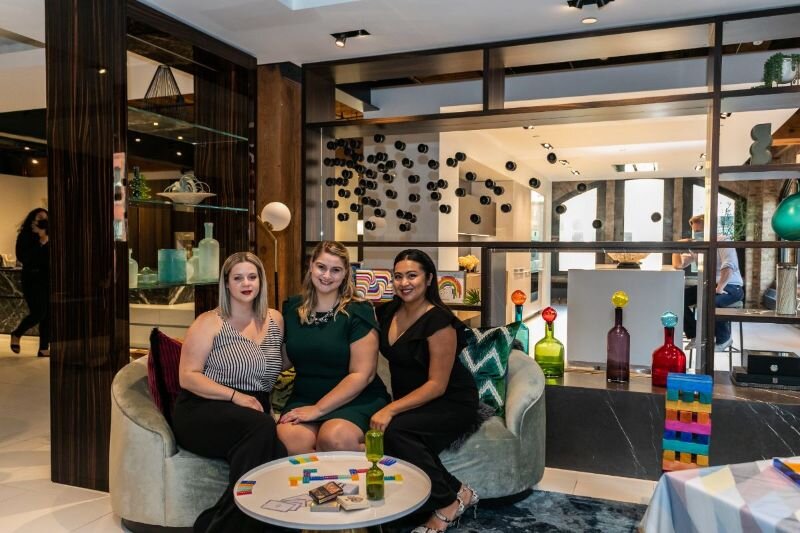
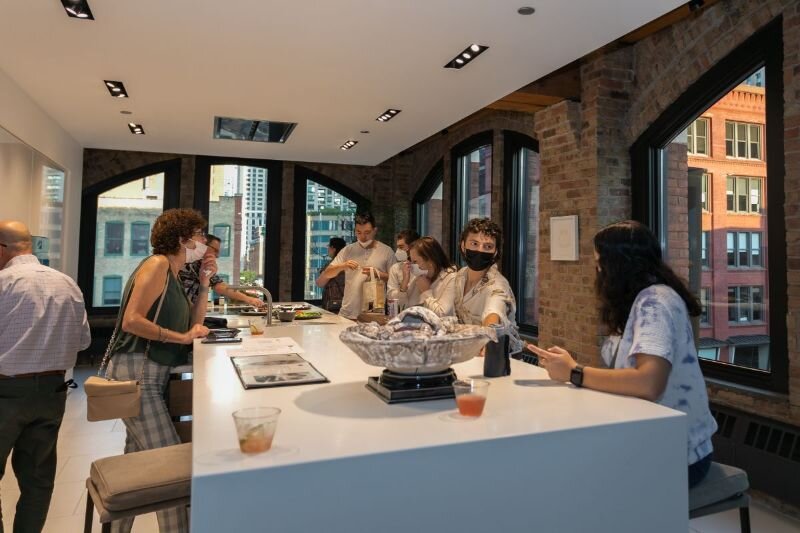
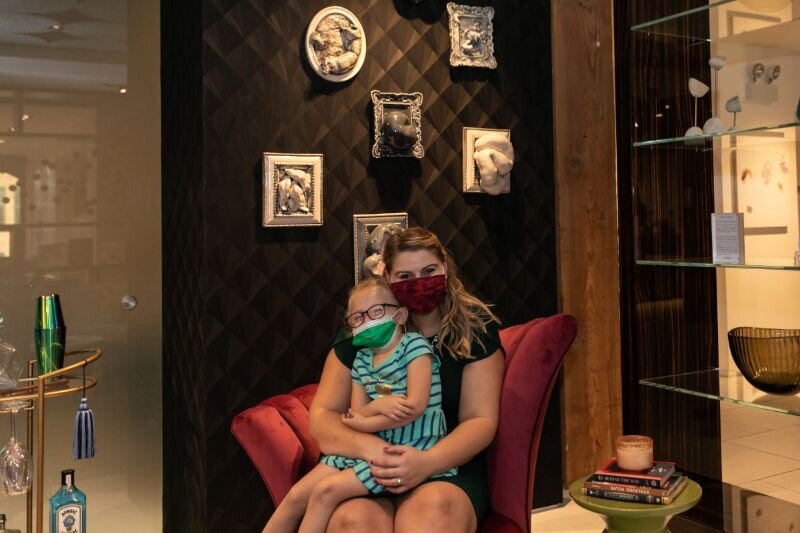
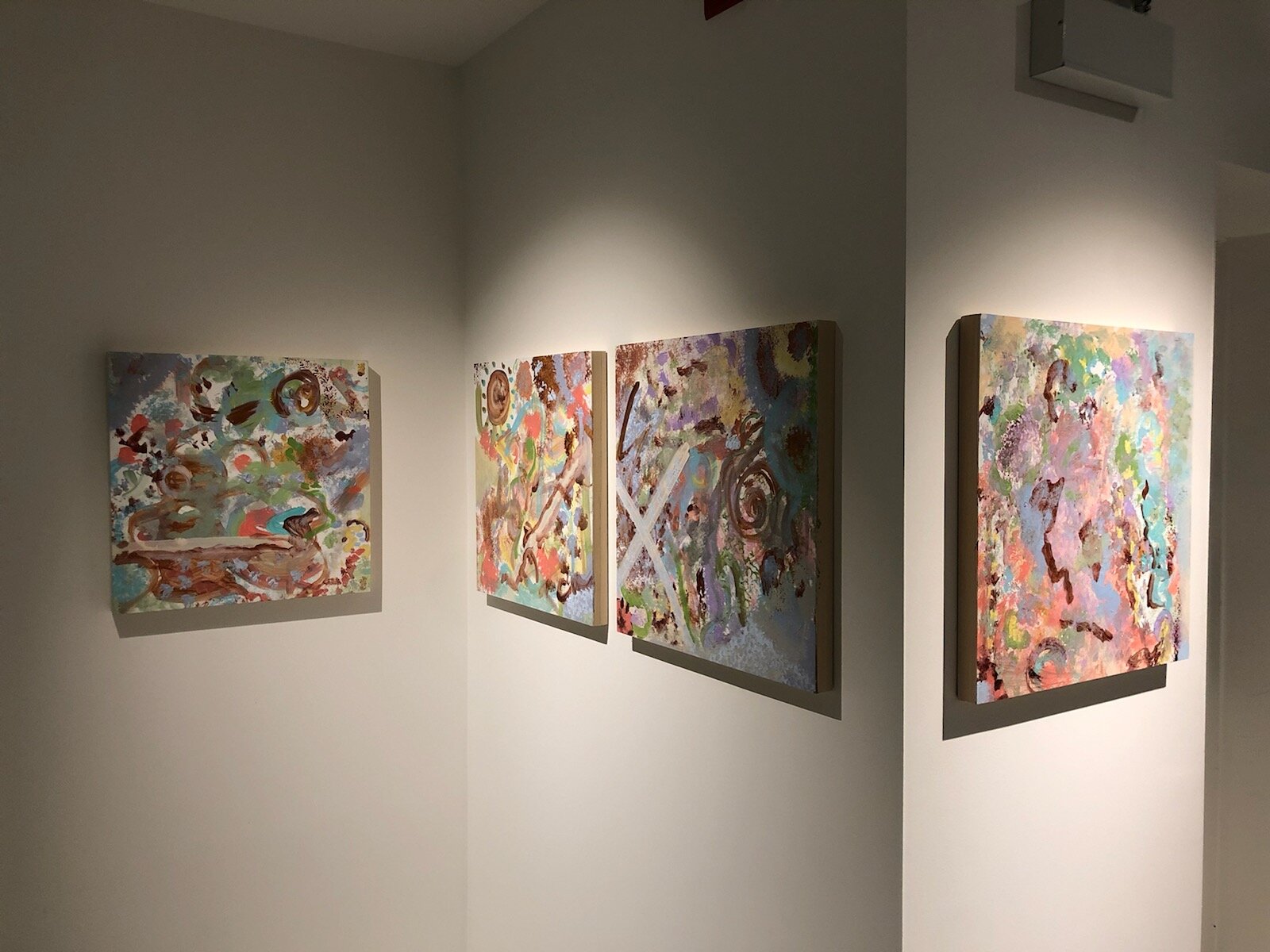
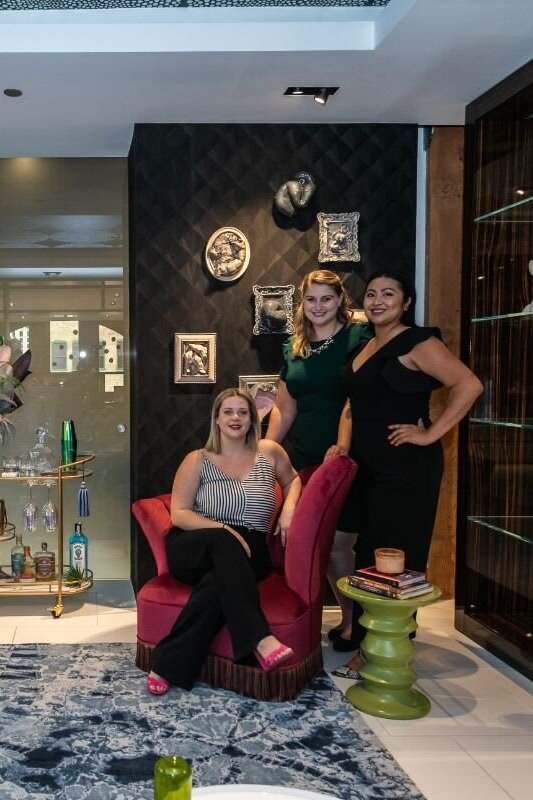
We had such an exciting night this past Friday at the River North Design District’s 6th Annual Fall Gallery Walk! Our vignette was featured at the eggersmann showroom and showcased the intriguing and emotional work of Bobbi Meier.
We had such an exciting night this past Friday at the River North Design District’s 6th Annual Fall Gallery Walk! Our vignette was featured at the eggersmann showroom and showcased the intriguing and emotional work of Bobbi Meier.
The walk featured 20 showrooms exhibiting designer vignettes from Chicago’s top designers, showcasing living settings highlighting artwork created by some of the brightest stars in the art world today.
We are also pleased to announce that our vignette was awarded Best Vignette Design!
Here are some highlights from our opening night on Friday!
















Our Concept Statement
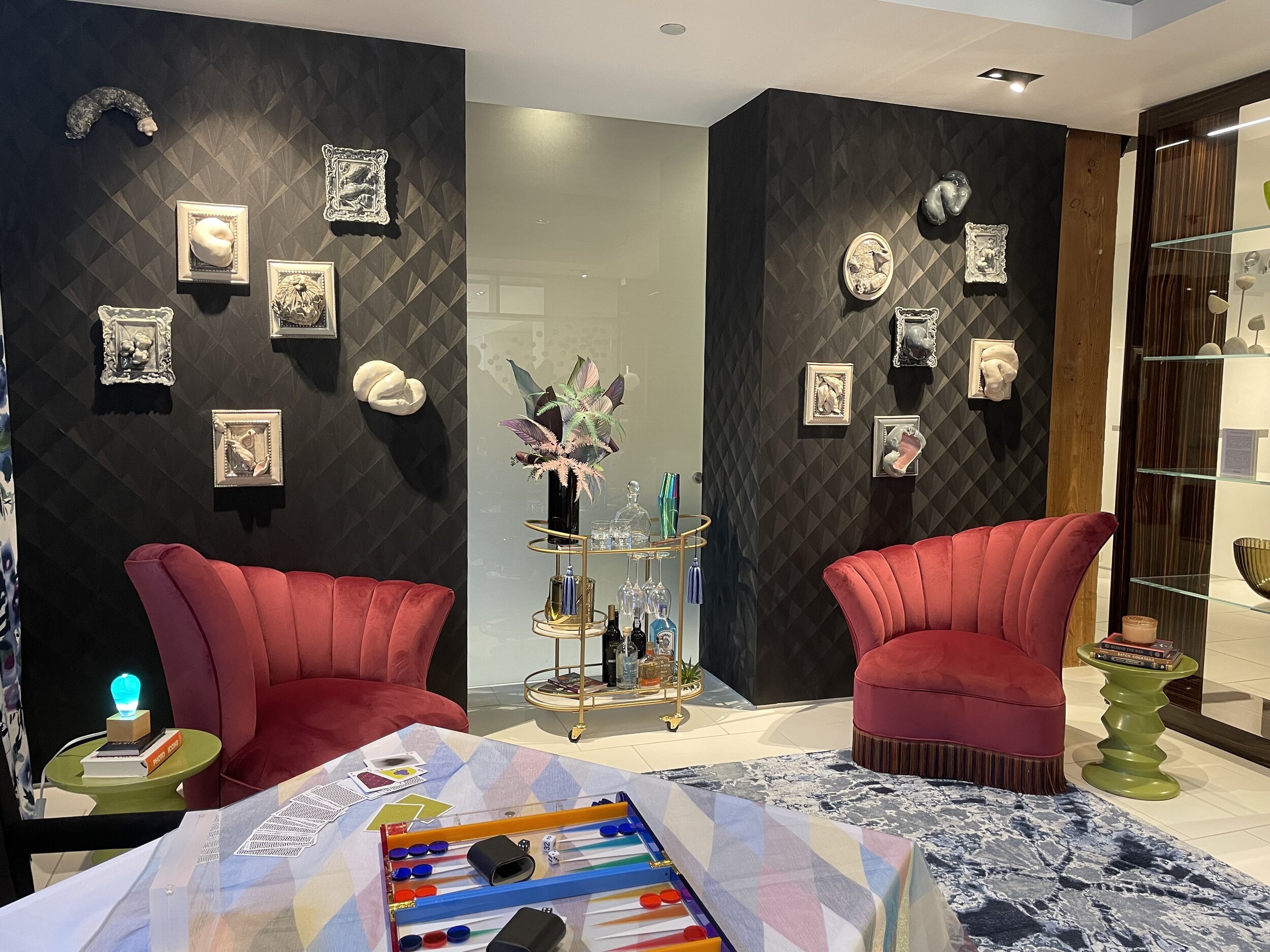
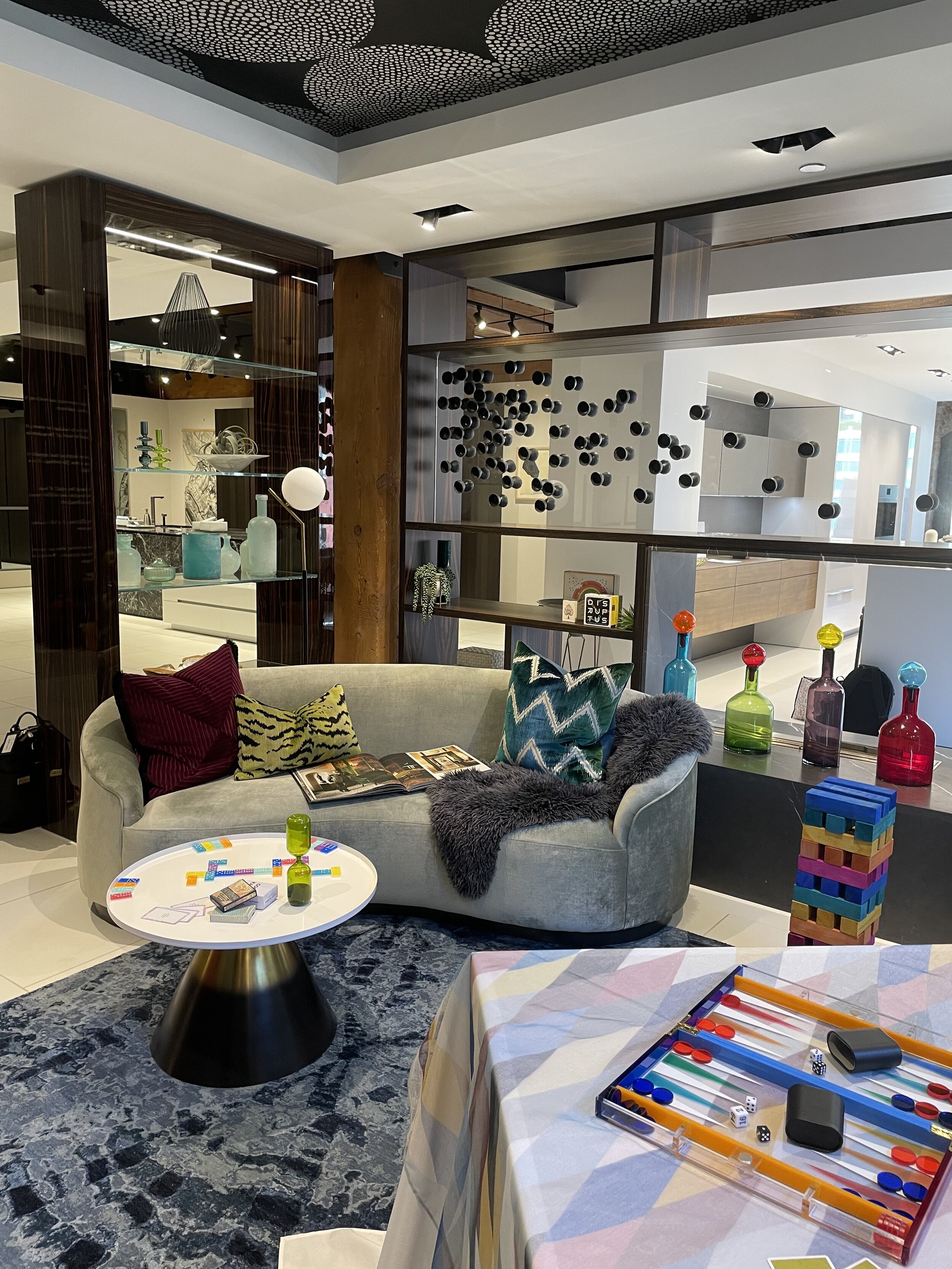
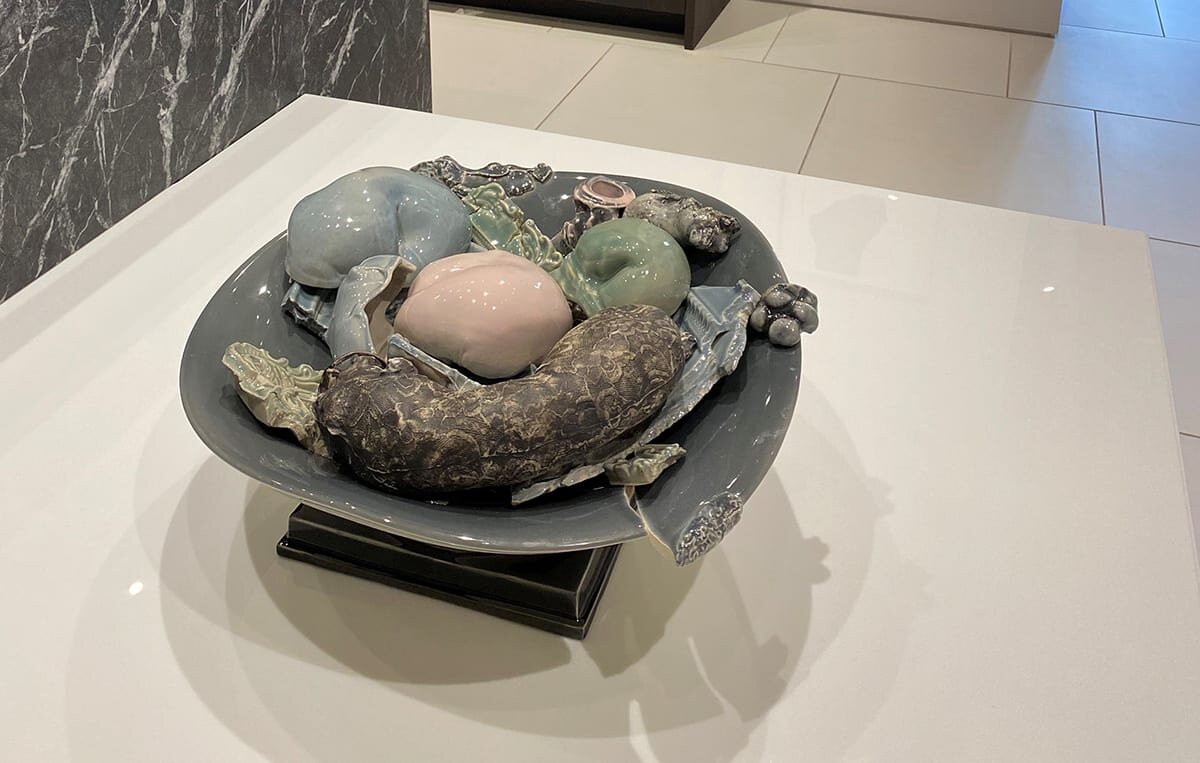
Our vignette, featuring Bobbi Meier’s series Family Portraits, captures the emotional chaos of a family game night. This drawing room is a space to feel; intense colors, textures, and patterns meld together seamlessly to create an atmosphere of excitement and energy that is on the verge of spilling over into madness.
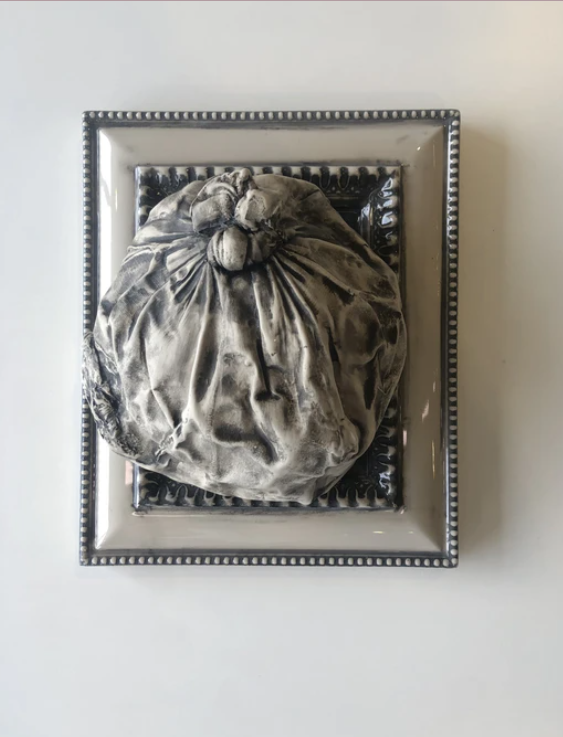
Family Portraits is a series of objects spilling from frames and cast in porcelain. Bobbi Meier writes that “the frame becomes a device to bring tidiness to a messy situation. It simultaneously attempts to entrap and protect an object, which cannot be contained: underlying emotional chaos.” This vignette is a playful take on Meier’s work, inviting you to indulge in an evening of lively gameplay; let loose, have a cocktail, and spill the emotions that emerge during a competitive family game night.


Meet the artist, Bobbi Meier of salonlb.

“Producing work that is sensuous, slightly frightening, and grotesquely humorous has become a means to engage discomfort and anger with situations that cannot be changed.”
Bobbi Meier is a Chicago-based visual artist. She works in various mediums such as sculpture, collage, drawing, photography, and most recently, performance. Her work is realized through provocative use of materials such as pantyhose, spandex, porcelain, and found home furnishings, embedding themes of emotional history, struggle, and loss in its making. (salonlb.com)


Surrender Your Senses
This was truly an evening of the senses!
Sight
Beautiful eye-catching colors, designs, and intriguing art pieces were everywhere.
Taste
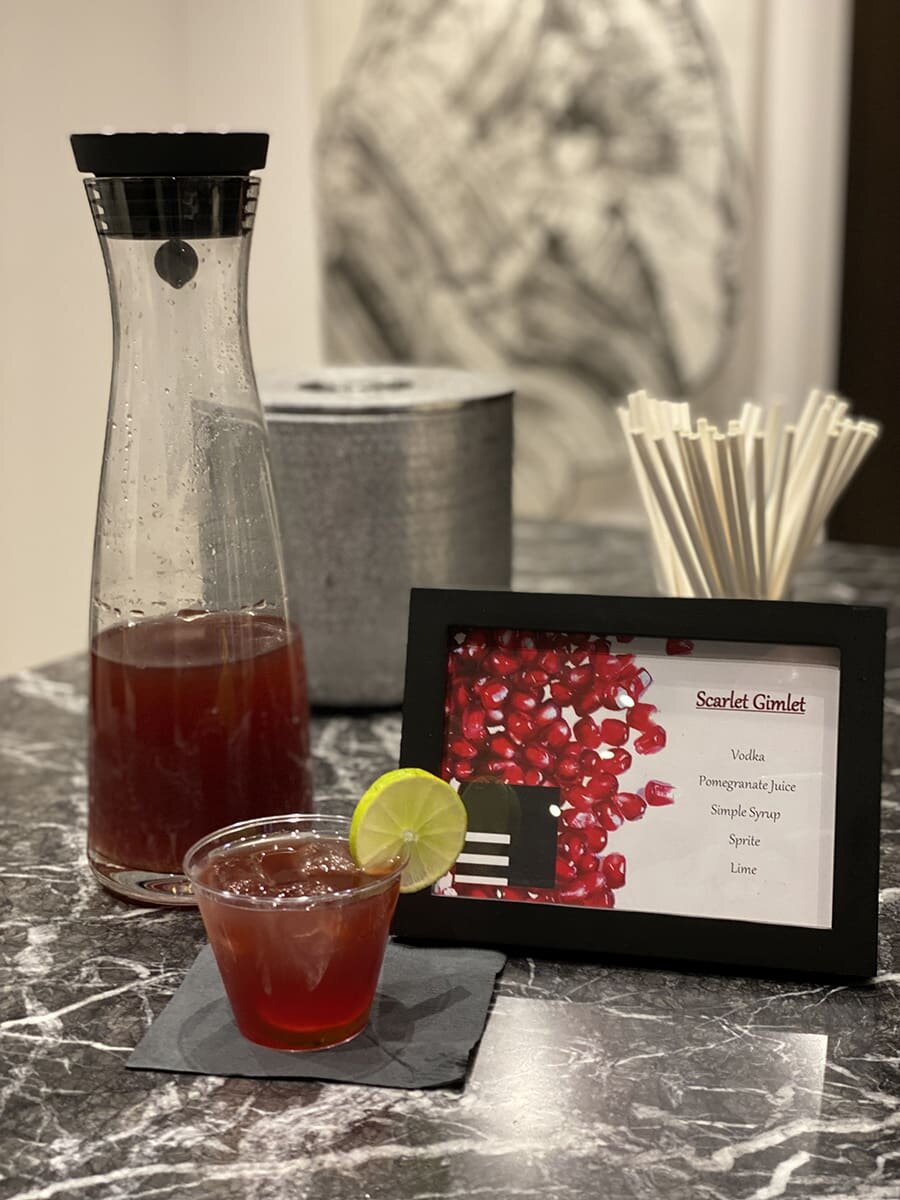
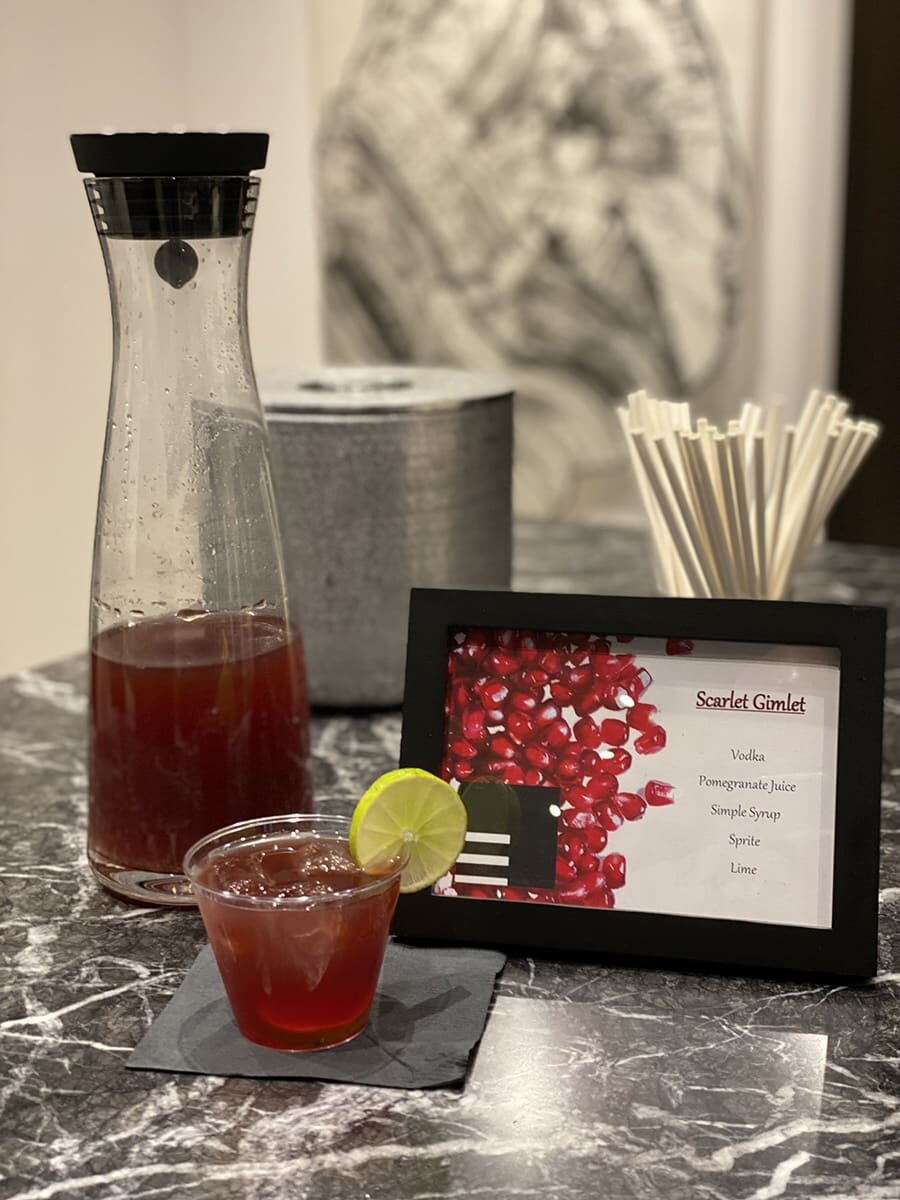
A signature cocktail, the Scarlet Gimlet, savory h'orderves, and decadent desserts were indulged in throughout the evening.
Touch
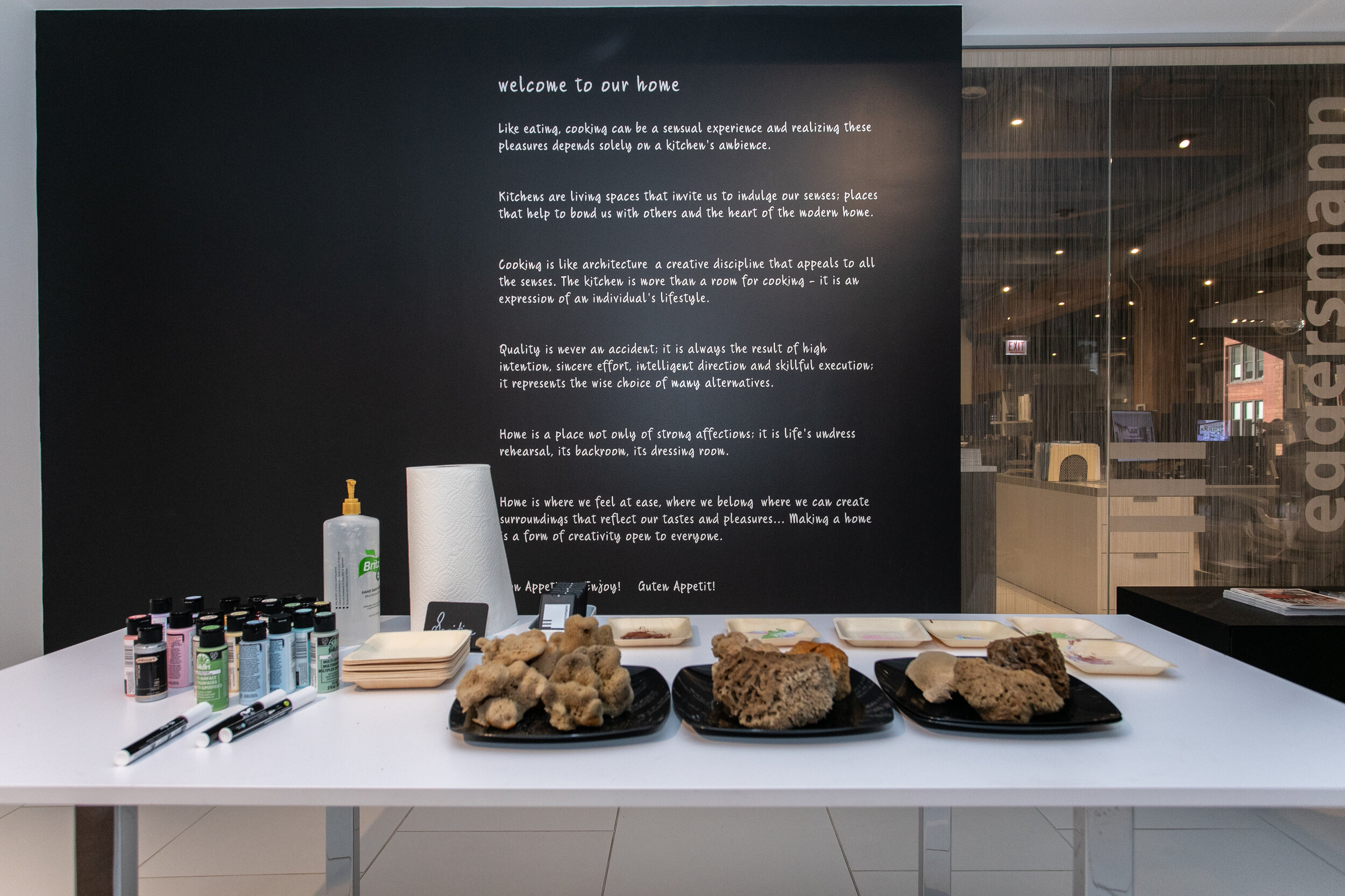
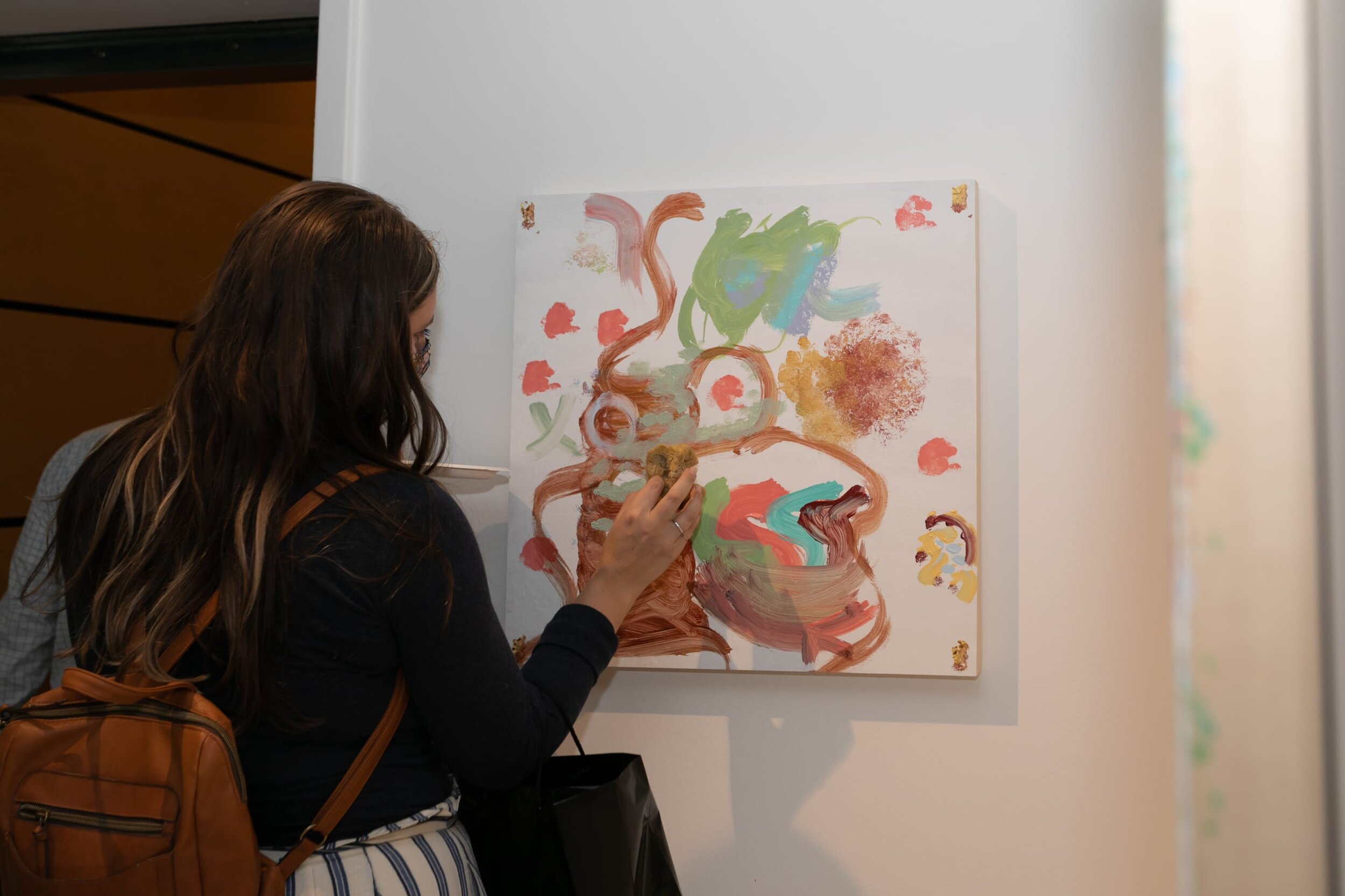
The eggersmann team prepared an interactive coral sponge artwork for guests to add their own colors, texture, and interpretation. The pieces were then raffled off in a social media hashtag challenge!
Smell
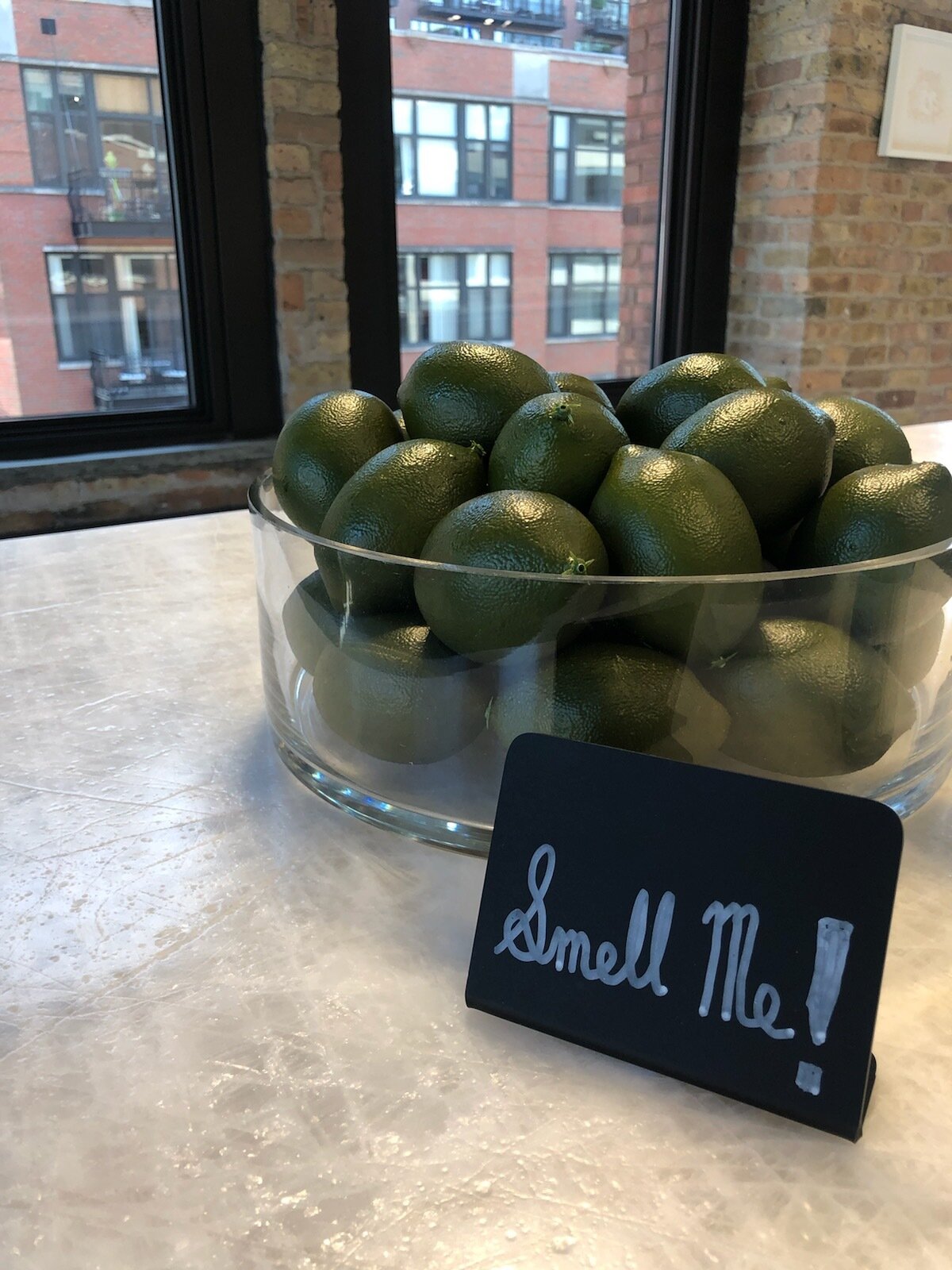
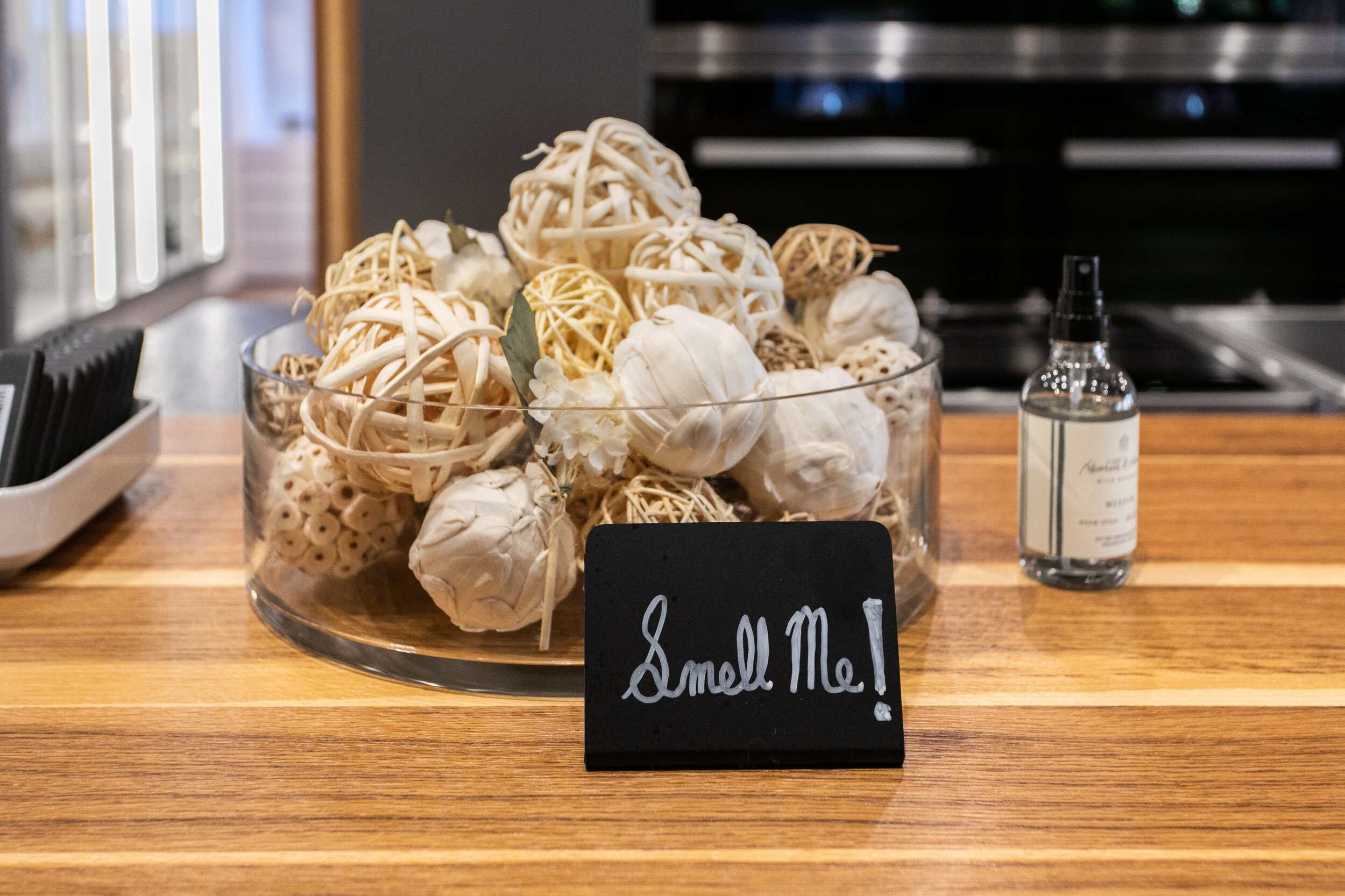
While guests explored the exhibit, we invited them to smell three very different scents of Zest, Smoked Woods, & Meadow.
Sound
A carefully designed playlist surrounded the studio space with a mix of upbeat tempos and contemporary hits.

Missed us last Friday? There’s still time to see our vignette!
The Fall Gallery Walk vignettes will be up in each showroom through October 11.
Make sure you stop by eggersmann at 300 W Hubbard St 4th floor and take a look!

We could not have had such a successful opening night without the help of many hard working individuals! We owe a huge “thank you” to all our contributors!

River North Design District 6th Annual Gallery Walk
Join us Friday, September 10, 5PM-9PM and experience a vignette designed by Sarah Jacquelyn Interiors, inspired by the intriguing and emotional work of Bobbi Meier of salonb. at eggersmann.
Join us Friday, September 10, 5PM-9PM and experience a vignette designed by Sarah Jacquelyn Interiors, inspired by the intriguing and emotional work of Bobbi Meier of salonb. at eggersmann.

Click here to RSVP for the free showroom events
and to purchase tickets for the kickoff and after parties!

Our Favorite Decorative Hardware Right Now
Decorative hardware is the jewelry of the space! Whether you’re redesigning your entire home or just giving one of your rooms a refresh, use decorative hardware to add a little beauty and personality.
Decorative hardware is the jewelry of the space! Whether you’re redesigning your entire home or just giving one of your rooms a refresh, use decorative hardware to add a little beauty and personality.
Here are some of the pieces we are loving right now!
Modern Matter: Harrison Knob
Why we love it: It’s got texture, color, and character! We love adding metal accents to a make a design statement. Plus, it’s completely customizable; choose from eight gemstones and three different finishes. These vibrant colors are everything!

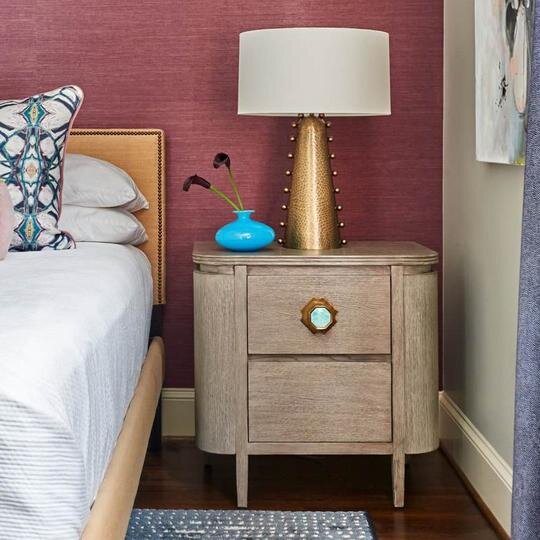

Modern Matter: Dogwood Custom Knob - Patina
Why we love it: This delicate looking flower adds a feminine and timeless touch to any furniture piece. While we absolutely love the patina, this knob is also available in three finishes and your choice of seven different semi-precious stones.


Modern Matter: Kravet Dylan Pull - Polished Brass
Why we love it: These pulls are sure to add luxurious vibes to any room. We love mixing metals into our designs and we are totally here for this polished brass.


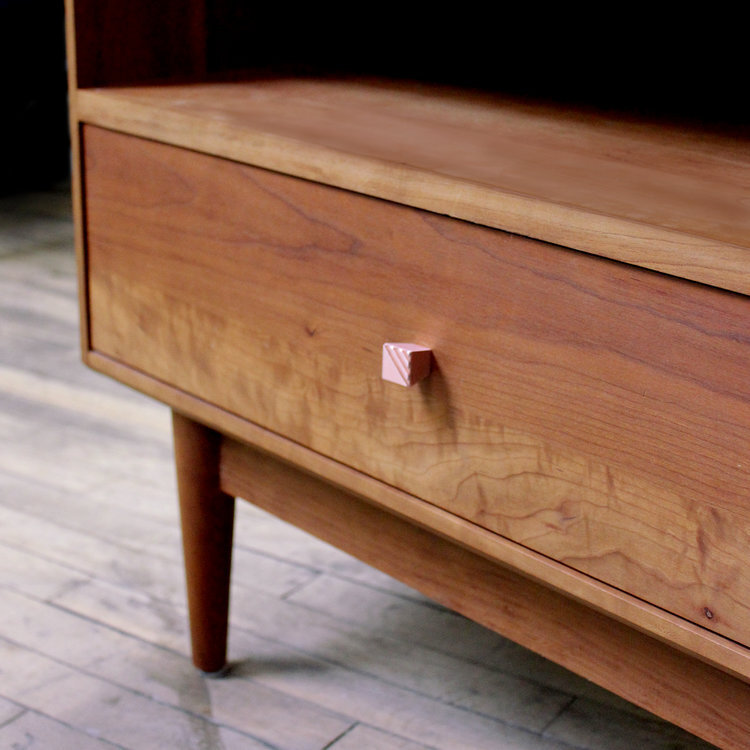
AUZ Design Studio: Small Pyramid Square Knob
Why we love it: These modern square copper knobs add personality to any furniture piece. The finish is so unique and the textured lines on top are subtle and delicate.

Rocky Mountain Hardware: Emerald Cabinet Knob
Why we love it: This crafted hardware has exquisite detail with a handmade look. Perfect for kitchen cabinets in a traditional or transitional design.

Rejuvenation: Kennaston Drawer Pull
Why we love it: The sleek design of these pulls adds chic interest. We love the mix of leather and brass! These would be the perfect addition to a sophisticated kitchen.


Need help selecting the perfect decorative hardware for your home? Schedule a design consultation today!

Our Design Process: Vignette at Artists Frame Service

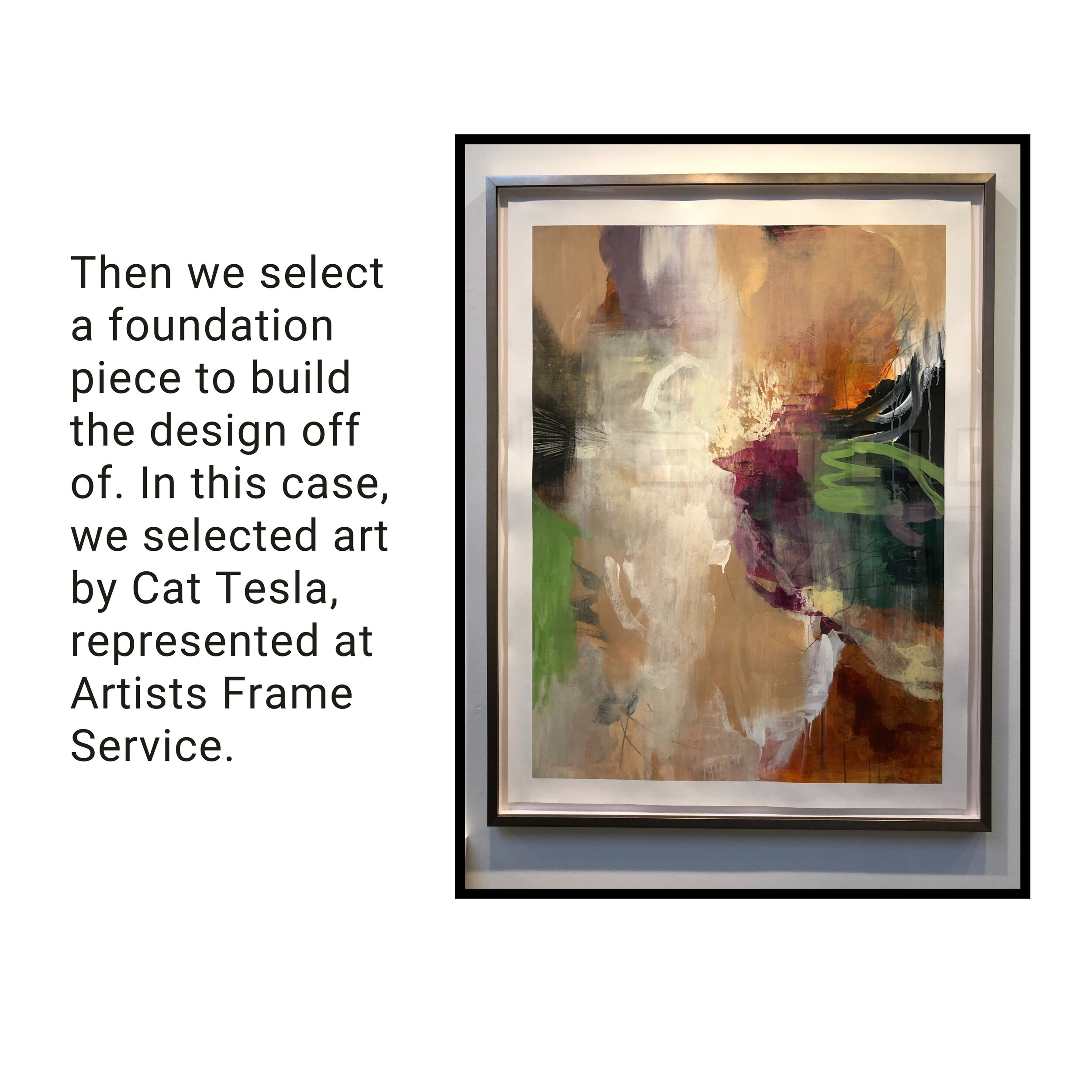


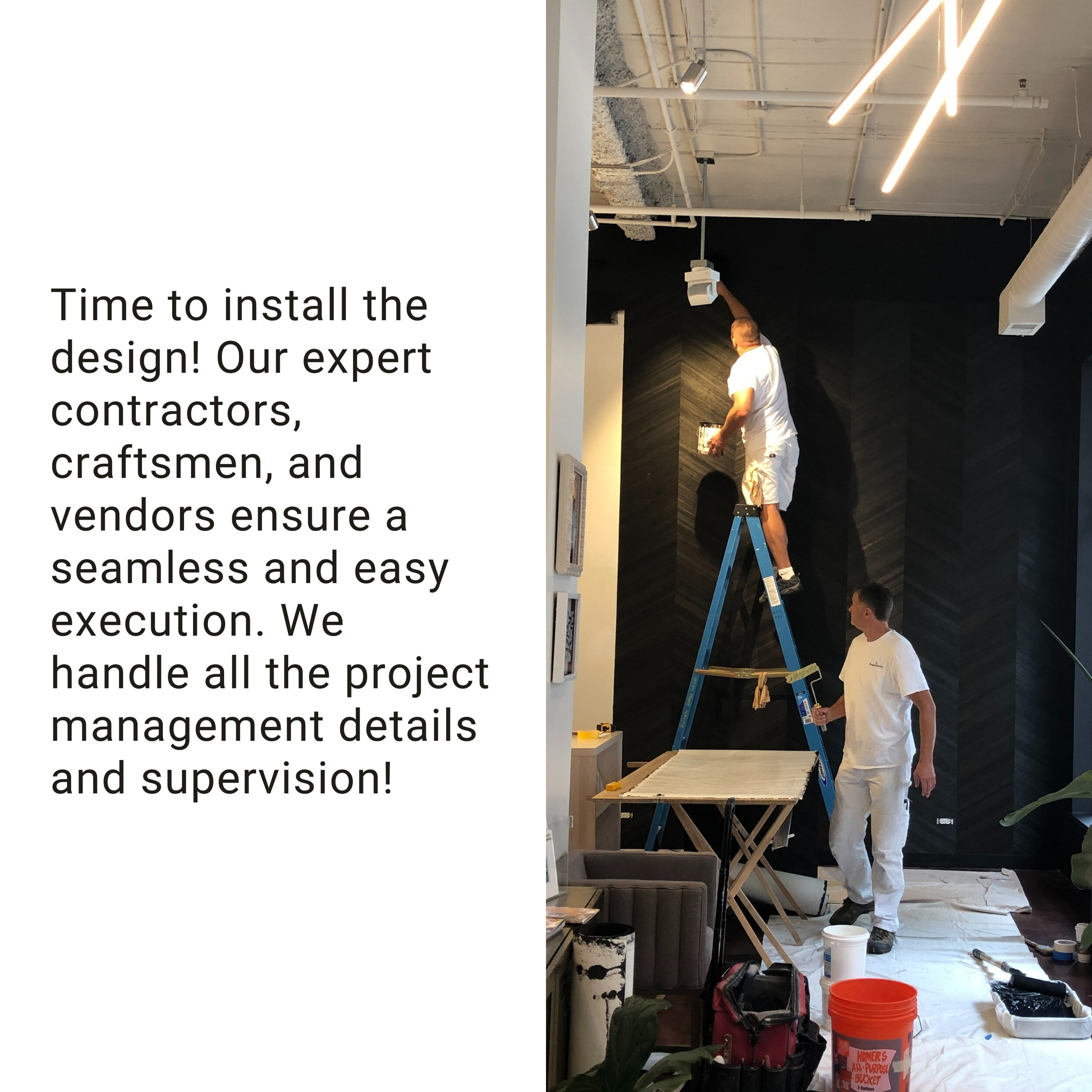


Ready to start your next project? Schedule a Design Discovery Call with us today!

Now Offering Premium E-Design Services
Our Premium E-Design is an online design-only service ideal for clients with a DIY spirit who have the time to manage some aspects of the project themselves, such as providing us with photos and measurements of the space.
Guess what?... Sarah Jacquelyn Interiors now offers Premium E-Design Service!
Our Premium E-Design is an online design-only service ideal for clients with a DIY spirit who have the time to manage some aspects of the project themselves, such as providing us with photos and measurements of the space.
What makes our Premium E-Design different?
Designer Room: You will still be working with a real professional interior designer.
Concept: We create and visualize the overall design concept.
Communication: Everything is handled either via email, video call or just by phone, no in-person meetings.
Sourcing: We source all the items for your home, just as we would with our full service client, but retail items only. This means a quicker turnaround time to get your project installed.
Customized Design Kit: You will receive a complete design kit in the mail which includes samples, printed copies of your design plan, mood boards, tear sheets, and a step-by-step implementation guide to execute the project yourself!
Quick Turnaround Time: SJI Premium E-Design offers a variety of rooms which are structured to be completed within 2-week timeline. If time is of highest priority for your project, this service can be a perfect fit!
Timeline and Budget: You implement the design on your own time and budget.
Collaboration: Premium E-Design service is still very much a collaboration between the client and designer. If there are specific pieces or family heirlooms you would like to incorporate in your design, we will work with you in exploring all possibilities.
DIY Attitude: Ideal service for clients who know what they like, have a DIY spirit, but just need some help pulling it all together to create a harmonious space.
Let’s Design Your Room: To sum it all up, Premium E-Design is a great way to get a designer room, in a quick turn around time, that you can implement on your own timeline and budget.
How It Works:
Discovery Phone Call: Book a free 30 minute Discovery Call with us to determine if your project is a good fit for Premium E-Design!
Homework: Follow our simple how-to guide with instructions for measuring and photographing your home.
Virtual House Tour: We’ll do a deep dive interview to get to know you and video tour your home.
Mood Board: We’ll email you a mood board and basic furniture layout for your approval to make sure we’re heading in the right design direction.
Design Time: Give us a few weeks to put your custom design together based on your style, budget, and needs.
Receive your Design Kit in the Mail: You will receive your custom design package in the mail with easy instructions to put the room together! What’s included:
Furniture Plans: Printed to scale and easy to read.
Design Board: A collage of all the elements we have selected for your new space, including furniture, accessories, lighting, and more!
Shopping Guide: Includes product details and how to purchase.
Material Samples: Such as wallpaper and fabric samples, paint colors, wood finishes, etc.
Design Review Video Call: We’ll walk you through the content of your Premium E-Design Package on a virtual video call! You’ll provide feedback and we will make reselections if there is anything you do not completely love.
Installation: Purchase product on your own timeline.
Bonus Follow Up Call: Jump on a complimentary 1 hour video call with us anytime over the next 2 months if you have questions about the design and implementation.


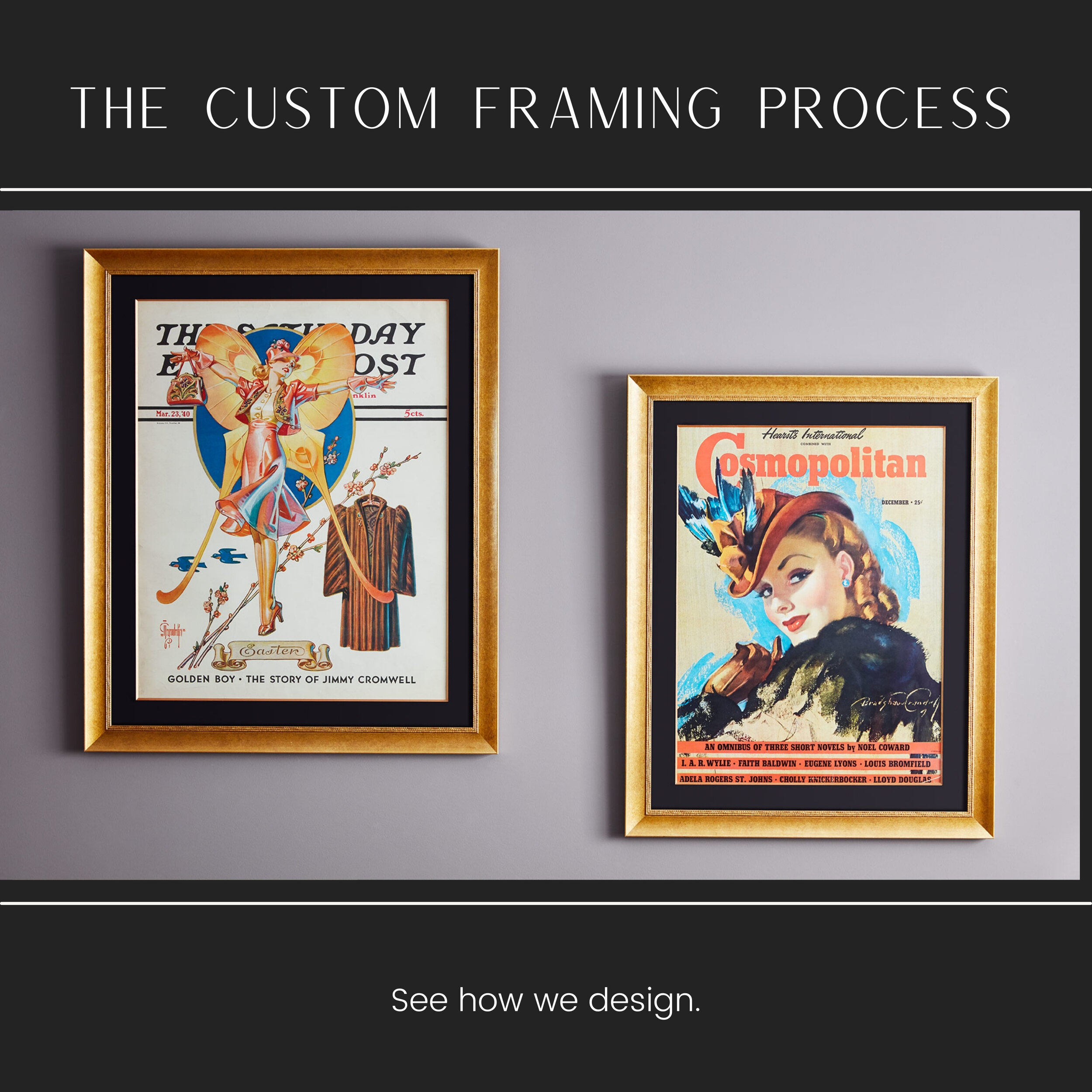
The Custom Framing Process
Go behind the scenes with SJI to see how we design custom frames for our clients.


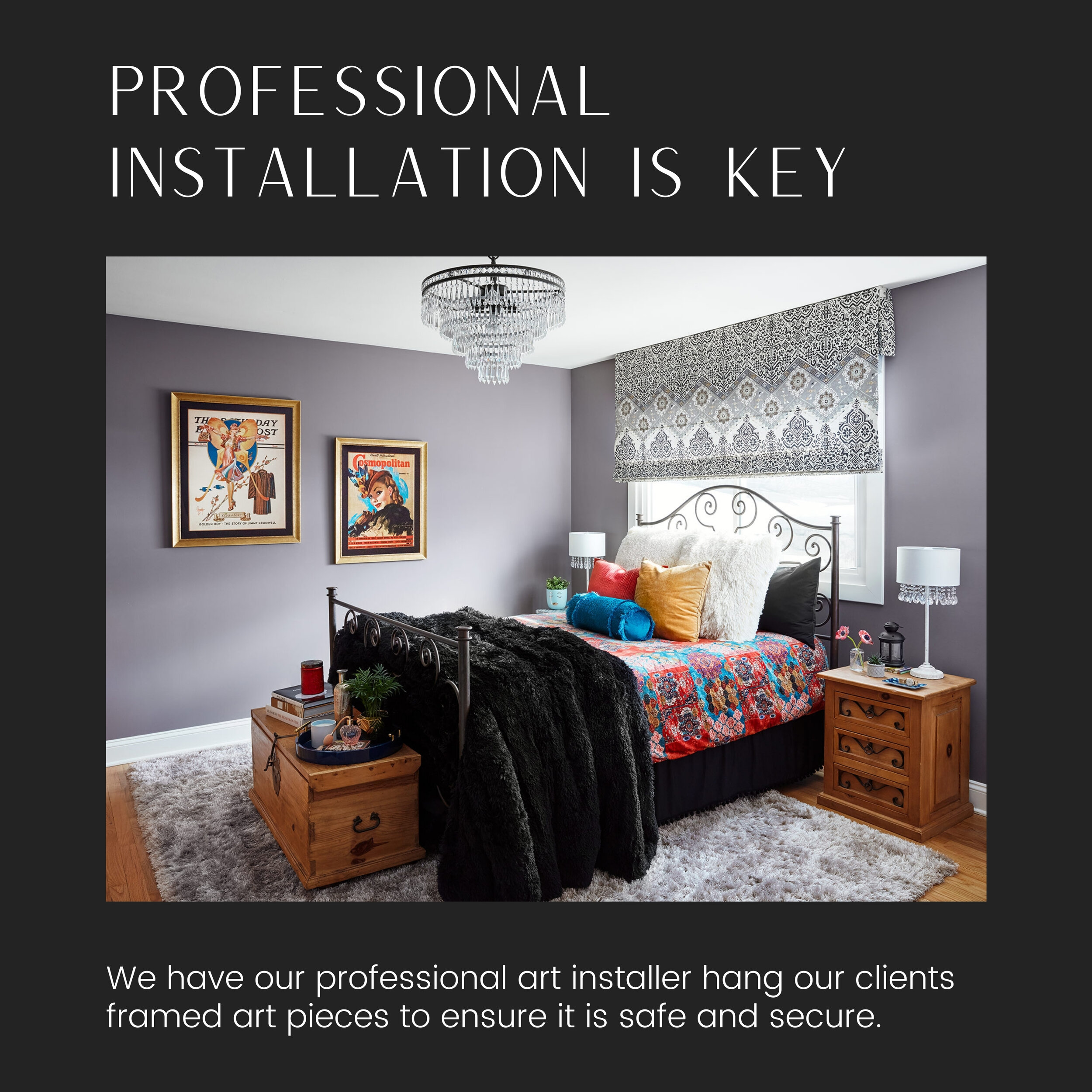

Ready to start your framing project with us? Schedule a design consultation today!

our top 5 favorite white paint colors and how to use them
With all the white paint colors out there, we do have some of our tried and true favorites that we start with as a baseline when meeting with our clients. Here are our top 5 favorite white paint colors.
People often ask us “What’s the perfect white paint color?” This is a difficult question to answer, because it really depends on your space, surrounding elements, lighting, and the design goals you are trying to achieve. Paint color should be the LAST element you select in your design. There are thousands of paint color options out there, and they vary by hue (color), value (lightness to darkness by adding black or white), and intensity (brightness or dullness by adding the complement color). Whites are particularly tricky because they often have undertones of blue, green, yellow, and red that can affect the look of your space.
Picking the perfect paint color takes a trained eye to understand all of the elements in the space and how they work together harmoniously. So I like to rephrase this question to:“ What is the perfect white paint color for your space?”
With all the white paint colors out there, we do have some of our tried and true favorites that we start with as a baseline when meeting with our clients. Here are our top 5 favorite white paint colors.
Benjamin Moore: Super White
Why we love it: It’s a bright and crisp neutral white that doesn’t have undertones of any other hues. We love using this white on kitchen cabinets to create a light and airy effect.

Benjamin Moore: Super white

Benjamin Moore: NARRAGANSET GREEN

Designed by: Sarah Jacquelyn Interiors | Photography by: Dustin Halleck
Benjamin Moore: Dove Wing
Why we love it: A creamy, warm white with undertones of gray and yellow. This color pairs well with darker grays and nicely brings out the purple tones of Benjamin Moore Stone.

Designed by: Sarah Jacquelyn Interiors

Benjamin Moore: Dove Wing

Benjamin Moore: stone
Benjamin Moore: Chantilly Lace
Why we love it: Delicate like lace, this white is soft, clean, and works with almost any other color! We love using it on doors, decorative trims, and fireplace mantels.

Benjamin Moore: Chantilly lace

Photo Credit: Benjamin moore
Benjamin Moore: OC 151
Why we love it: A subtly warm white that added freshness to the room without being to harsh. We love using this on ceilings!

Photo credit: benjamin moore

Benjamin Moore: OC-151
Benjamin Moore: Decorators White
Why we love it: A timeless, classic white with cool undertones. This white is great for walls!

Benjamin moore: Decorators White

photo credit: benjamin moore
Need help selecting the perfect paint colors for your space? Schedule a 2 Hour Paint Consultation with us today!

Get the Best Sleep Ever! Luxury Products for a Relaxing Bedroom
Improve your overall health, wellness, and quality of sleep this year with these luxurious sleep products that will make for the most relaxing sleep ever!

Quality sleep plays a vital role in our overall health and wellness. Sleep allows us to recharge our mind and body, leaving us refreshed and alert to start a new day! Sleep helps to repair our heart and blood vessels and sleep deficiency is linked in an increased risk of heart disease, kidney disease, high blood pressure, diabetes, and stroke.
Improve your overall health, wellness, and quality of sleep this year with these luxurious sleep products that will make for the most relaxing sleep ever!
1. Hästens Down Slipper Boots
These are one of my favorites and an absolute must have! Hästens Down Slipper Boots keep your feet warm during the cold Chicago winter nights. The material is so soft and breathable, it’s like wearing clouds!
$160.000


2. Slip Silk Pillowcases
3) Slip Silk Pillowcases help with wrinkles, bedhead, and sleep crease. Made with the highest grade of long fiber mulberry silk for softness and durability and no toxic dyes. We love the pink marble color way!
$89.00 Each/ Queen Size

3. Morgan Lane Sleep Lids Cashmere Mask Set
This Sleepy Lids Cashmere Mask Set is the perfect splurge to treat your self! Incredibly soft with an elastic bad for a comfortable and relaxed fit. Block out the light and sleep peaceful all night!
$198.00

4. Vitruvi Stone Diffuser
Designed to promote peace and relaxation, the Vitruvi Stone Diffuser in color Sea is one of our favorites to add ambiance to the bedroom! Add in a few drops of lavender essential oil create a serene oasis to melt away.
$119.00

5. Proper Sleep + Calm Tea
Proper Sleep + Calm Tea is for anyone struggling with falling asleep, staying asleep, or wants to reduce stress. It’s the perfect natural supplement to add to your wellness routine to support a restful mind and body.
$39.99

6. Hatch Restore Smart Light and Sleep Sounds
The Restore Smart Light and Sleep Sounds from Hatch can create a personalized routine to help you fall asleep, stay asleep, and wake up completely refreshed! Create a mood from a variety of soothing sounds and lights. Gently wake up to a custom sunrise alarm that supports healthy cortisol levels.
$129.95

7. Vispring Mattress
Invest in yourself by getting the best quality sleep every night on a Vispring Mattress. The perfect amount of softness and support. Melt away in this amazing mattress. Our favorite is the Vispring Lasalle.
Vispring LaSalle: $7,562.00 - $13,862

8. The Pillow Bar at Chicago Luxury Beds
Indulge in the perfect night sleep with a pillow made especially for you at Chicago Luxury Beds at The Pillow Bar. Their trained pillow makers will craft you a pillow for your unique sleep style, size and age.
$275 for One Queen Pillow

9. Sferra Millesimo Bedding
The Sferra Millesimo Collection is a lusciously soft, woven, polished sateen. Featuring an Italian lace inset, with a classic motif, this is luxury bedding at its finest.
$1,695 Queen Duvet Cover
$850 Flat Sheet
$695 Fitted Sheet

10. Luxome Weighted Blanket
This 30lb extra large weighted blanket from Luxome is engineered to help you relax and sleep better. Comes with a 100% Percale Cotton inner weighted blanket and removable cover that are both 100% machine washable.
$240

Need help designing your dream bedroom? Schedule a design consultation today!

WE NEED YOUR HELP: Support the Interior Design Profession by Creating a Witness Slip Now
We need your support to ensure the Registered Interior Designers Act is not eliminated. Supporting the profession is easy, and only takes a few seconds. Click for instructions!
The Illinois Registered Interior Designers Act is set to expire on January 1, 2022. If our Act is not extended by the legislature this year, it will be eliminated. HB 1738, currently in the legislature, will extend our Act to 2032.
We need your support to ensure our Act is not eliminated. Supporting the profession is easy, and only takes a few seconds.
Here’s how you can help:
No later than close of business on Tuesday (3/16), please do the following:
Click this link: https://www.ilga.gov/house/committees/hearing.asp?hearingid=17993&CommitteeID=2672
Click the light grey box at the top - “Create Witness Slip”
Scroll down to “HB1738 Nicholas K. Smith REGISTERED INTERIOR DESIGNERS”
Click the graphic that looks like a pencil and paper to the far right of “REGISTERED INTERIOR DESIGNERS”
Fill out ALL information boxes
For “Firm/Business Or Agency” you can put “Self” or your firm, business, or agency.
For representation, you can put your firm, business, or agency or “Self”
Position: select “PROPONENT”
Testimony: select “Record of Appearance Only”
Agree to terms and complete reCAPTCHA
Click “Create Slip”
Make sure you receive a success message.
SHARE THIS LINK WITH ANYONE WITH AN ILLINOIS ADDRESS. We need as many proponent record of appearance only slips as possible.
Thank you for Supporting the Interior Design Profession!
- Sarah Schwuchow, ASID, NCIDQ
Registered Interior Designer in Illinois


ASID Illinois President-Elect
I am excited to announce that I have been voted in as the President- Elect for the American Society of Interior Designers Illinois Chapter. My one year term as President-Elect will begin on October 1st, 2021 and I will serve as President for one year starting on October 1st, 2022.
I am excited to announce that I have been voted in as the President-Elect for the American Society of Interior Designers Illinois Chapter.
My one year term as President-Elect will begin on October 1st, 2021 and I will serve as President for one year starting on October 1st, 2022.
My goal as President-Elect is to bring a new and fresh perspective to the Chapter and the Illinois design community. ASID has been such an influential part of my career and I feel that it is my responsibility to give back and help others. I want to connect with our community to demonstrate the value of ASID membership and its impact on personal and professional development.
I hope to inspire our students, engage our emerging professionals, provide value to our professional members, and recognize our industry partners. I will strive for an inclusive community, highlight our members' diverse backgrounds, and motivate others to pursue paths of leadership.
We will create a community that shares, uplifts, and supports one another, ultimately increasing the awareness of our profession. As the Board of Directors, we will collaborate and communicate effectively to support the President's goals and endeavors. We will commit to improving our Chapter and ensure value for all of our members.
Serving as an ASID Illinois President has always been one of my goals.
Becoming an ASID Illinois Chapter President is a goal that I have had since I was a student member. I remember thinking to myself, what an honor it would be to one day serve on the ASID Illinois Board of Directors. Fast forward ten years later, I’ve achieved that goal as I’ve been serving as the Communications Director for the last year and I excited to start my term in October as President-Elect.
Joining as ASID was one of the most influential parts of my college experience.
I joined as a student member in 2010 after enrolling at the Illinois Institute of Art- Chicago. I was honored to serve as the Student Chapter President for FY11-FY12. With 6 Chapter officers and 22 additional members, our year was an incredible success, winning two ASID National Awards.
This leadership position was critical in forming my character, skill set, goals, and ultimate career success. I owe so much gratitude to ASID and I have strived over the last 10 years to give back and volunteer my time to help design students and my peers.

It is a personal mission of mine to help designers pass the NCIDQ exam and become Registered Interior Designers.
In 2019, I created the NCIDQ Committee for ASID Illinois. The purpose of the committee is to provide supplementary educational support and mentorship for NCIDQ candidates. As the Committee Chair, I lead weekly study sessions for the Spring 2019 testing season for 5 NCIDQ exam candidates. The participants of this study group were able to ask questions, learn new study techniques and benefit from the synergy of working with other design professionals.
After 8 weeks of intense test preparation, I am so proud to say we had a 100% pass rate for the exams each of these candidates took. This ASID Illinois NCIDQ study group has evolved into a partnership with IIDA and is now part of ASID Illinois’ regular offerings each testing season.

ASID has so much to offer!
ASID members can get involved with committees and volunteer groups, attend peer group meetings, educational lectures, and advocacy events, seek mentorship or become mentors, and learn leadership and professional development skills. I would not be where I am today without the support of the American Society of Interior Designers. I look forward to being able to give back every way I can, so that I can continue to support this community.
If you are a designer, student, or industry partner interested in becoming more involved in ASID, please reach out! I would love to have you attend a peer group with me or participate in a committee next year! Sarah@SarahJacquelynInteriors.com





10 Ways to Style Your Home with Vases
Accessorizing is the final layer when it comes to adding personality to your home. Even the most well designed spaces can look empty without the finishing touches added. One of our favorite ways to dial up the design is with vases. There are so many different styles, colors, materials, and textures to vases that when added, can easily elevate your home! Whether they are made of glass, porcelain, ceramic, wood, or even metal, vases can be just the thing to take your space to the next level!
Accessorizing is the final layer when it comes to adding personality to your home. Even the most well designed spaces can look empty without the finishing touches added. One of our favorite ways to dial up the design is with vases. There are so many different styles, colors, materials, and textures to vases that when added, can easily elevate your home! Whether they are made of glass, porcelain, ceramic, wood, or even metal, vases can be just the thing to take your space to the next level!
Here are 10 Ways to Style Your Home with Vases:

1) Make a statement in the foyer! Use an interesting, eye catching piece that will WOW your guests when they first walk in!
2) Decorate your living room coffee table! Remember the rule of 3’s when it comes making an arrangement. A decorative vase with flowers pairs well with a stack of books and a decorative tray.
3) Create a garden oasis in your living room! Go over the top with a big decorative vase and robust arrangement of flowers on the table.

4) The fire place mantel is calling! Use an assortment of two, three, four, our even five matching transparent vases with flowers to add airiness and natural elements to your mantel.
5) The kitchen island is a great place to bring in freshly picked flowers from the garden and add some style to the space.
6) Add visual height to a bedroom console by adding a tall sculptural vase, added flowers are optional!
7) Pick a vase with unique personality to use as a conversation starter when new guests come to visit!
8) Decorative vases are great for adding tactile and visual texture to a space, which creates a dynamic room design
9) Vases are perfect for bookshelves that need to be styled. A glass vase makes a great counterpoint and adds interest to wall full of books.
10) The dining room table is the perfect place for long stemmed vases. These vases leave a clear opening for your guests to talk across the table, while adding height to the space.
Need some inspiration?
Here are 8 gorgeous vases we are crushing on right now!

These Accordion Vases are made of ceramic with a matte gunmetal glaze.

this gilded i-scream vase is made of high-fired porcelain with real gold accents.

This Donna Macalda Head Vase by Stefania Boemi is made entirely by hand and painted in a dark burgundy matte monochrome tint. The eyes are glazed to stand out.

The Escalier bud vases are composed of crystal blocks sitting on top of each other.

Two layers of blown glasss skillfully joined into a single orb. this vase references ITALIAN design of the early 1970’s

The gemma vase in CHAMPAGNE crustal, takes on the look of a DIAMOND with it’s sharp corners and facets.

This large vintage floor vase is from the 1950’s by bay keramik..

This Blue Bird Ceramic Vase by , is one-of-a-kind, and made using a combination of lathe and hand modeling.

Need help accessorizing your home? Schedule a design consultation today!

Interior Design and COVID-19
COVID-19 has impacted us all in different ways. We are learning new ways to cope, connect, and move towards a new normal. Through all of these changes and isolation, we have learned just how important it is to have social support from our friends, families, and colleagues. One of the big questions we face as interior designers is “How will the architecture and design community be impacted by COVID-19?”
COVID-19 has impacted us all in different ways. From tragic loss of lives, to lay-offs and business closures, the strain on our emotional, physical and mental health has been incredibly difficult for each of us in our own way. We are learning new ways to cope, connect, and move forward towards a new normal. Through all of these changes and isolation, we have learned just how important it is to have social support from our friends, families, and colleagues. We’re all missing human bonding.
Our lack of in person contact can trigger what Vivek Murthy, a physician and former surgeon general of the US calls a social recession - “social isolation that has a negative impact on physical and mental well-being of people and can even put us at risk for premature death.” There is reach that links social isolation and loneliness to poor health outcomes such as heart disease, dementia, sleep loss, depression and reduced life expectancy.

To help prevent isolation and a social recession, we need to ensure we are connecting with people outside our home for at least 15 minutes a day. Whether that be a phone call, video chat, or safe distance visit. It’s also important that we take time to help other people, be more conscious of others, and see the bigger picture of how we fit into our community. There are many beneficial health and wellness outcomes associated with acts of generosity, charity, and community bonding. A main one being increasing our sense of belonging and decreasing feelings of isolation and loneliness.
Office Spaces

One of the big questions we face as interior designers is “How will the architecture and design community be impacted by COVID-19?” This is a loaded question, but ultimately, I believe this situation has given the design community the opportunity to be creative in new ways.
As we begin to reopen and return to offices at reduced capacity, new protocols are being implemented, as we disinfect our desks, chairs, keyboards, mouses, and phones daily. Our perspective and safety views on the office environment has changed, as we have all adapted a heightened sensitivity to touch and awareness of social distance. Even with new cleaning policies, there are still challenges with our current office layouts, conference room sizes, elevator capacity, distancing capabilities, and privacy that need to be addressed.
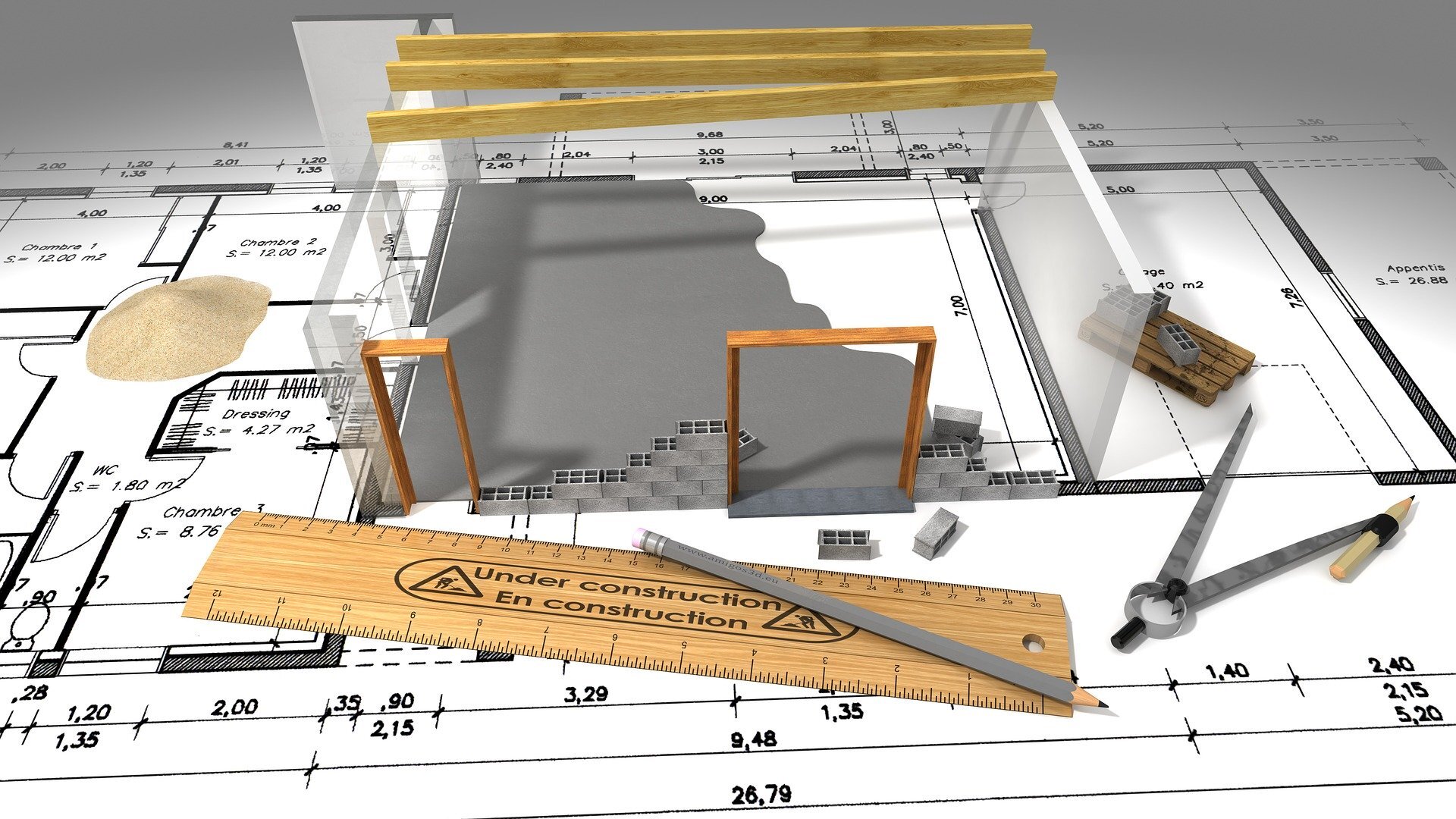
This is where designers and architects come in. We design spaces for people, and the way we design these spaces is going to change.“We’re coming to realize that as designers, architects, and building managers, we have a critical role to play in public health.” (Rachel Gutter, President of IWBI). We will be designing safer work spaces, with social distancing protocols, re-imagined office layouts, specifying materials that are easily cleanable and implementing maintenance schedules. The effects of COVID-19 will impact the way we think about and design spaces of the future.
Work From Home Life
This world wide social experiment of “Can we all really work remotely?” has sparked conversations among many companies on if they even need to return to a physical office. Companies like Google, Twitter and Facebook have embraced the option of the remote work lifestyle permanently. This opens the opportunity for people anywhere in the world to work for these companies since you don’t need to be present at a physical office everyday. Businesses have learned to adapt to the work from home life, and some are even working more efficiently than they did in the actual office. Benefits of remote work are:
Less Time Spent Commuting
Improved Employee Retention
More Independent Employees
Reduced Operating Costs
Diverse Candidates
Efficient Use of Technology
Increased Productivity
Positive Environmental Impacts

Better Work Life Balance
Healthier Employees
Less Stressed Employees
Financial Savings
Customized Home Office
Healthier Employees
Improved Creativity
More Time with Family
Many businesses are seeing these great benefits and investing more in their work from home employee support. A company's ability to do this depends on it’s type of work, flexibility, culture, access to technology and the ergonomics of the employees home. Even after the pandemic, work from home choices will be more of an option than ever before. Studies show that employees with the highest level of satisfaction are those who have options of where, how and when they work.
Residential Interior Design and Wellness
With more people working from home, this will change the way we design residences, specifically by creating a designated office space. Things to consider are layout, placement in the home, acoustical privacy, storage, supplies, sustainable components, ergonomics, clean-ability, healthy building materials, and incorporating strategies to avoid burn out. Creating a new lifestyle where home and work life co-exist in the same space. We’re seeing a major need for these newly developed, creative and healthy spaces in the home.
With a progression towards health and wellness in all facets of our life, and a desire for a cleaner and safer environment due to COVID-19, the Design and Architecture industry is taking great strides to incorporate human health into our environments. WELL Certification is about placing people at the heart of design and enhancing the human health and well being experience. It’s a certification process for buildings, backed by evidence based health and scientific research with leading physicians, scientists and industry professionals.
Over the last few months, I have seen the positive value that the WELL Certification can bring to me as a designer and to my clients. I am working towards earning my WELL AP certification to be able provide health and wellness education and support in our interior design projects. “A WELL AP denotes expertise in the WELL Building Standard and a commitment to advancing human health and wellness in buildings and communities around the world.” (wellcertified.com)
The WELL certification provides me with a unique understanding of how the human body is impacted by our indoor and outdoor environments, and how to create a healthier home for my clients. From contaminants in our water and air, lighting consideration and temperature controls, to healthy eating and fitness, WELL Certification covers all this and more to ensure buildings and their occupants health and wellness take priority, increasing the quality and longevity of our lives.

Stay tuned for more on my journey to becoming a WELL Accredited Professional and follow SJI on Instagram for #WellnessWednesday


Not Your Grandma's Dressing Table
Dressing tables, or vanity tables, were once a necessity in a woman’s bedroom. Somewhere along the way, Americans fell away from this trend and began keeping their cosmetics and perfumes in the bath or powder rooms. But over the years, the dressing table has made a few comebacks. Today, you can find some beautiful and modern-as-they-come dressing tables to beautify your space! They’re practical, can be used to display your aesthetics, and add a touch of sophistication that is truly timeless. Here are some of our favorite modern-day dressing tables!
Dressing tables, or vanity tables, were once a necessity in a woman’s bedroom. Somewhere along the way, Americans fell away from this trend and began keeping their cosmetics and perfumes in the bath or powder rooms. But over the years, the dressing table has made a few comebacks. Today, you can find some beautiful and modern-as-they-come dressing tables to beautify your space! They’re practical, can be used to display your favorite pieces, and add a touch of sophistication that is truly timeless. Here are some of our favorite modern-day dressing tables!
"Innovation is often the ability to reach into the past and bring back what is good, what is beautiful, what is useful, what is lasting." - Sister Parish

Luigi Massoni For Poltrona Frau Modular Vanity 'Dilly Dally', 1968, Italy by Vinterior
Some of Our Favorite Designs

Athena Vanity Table by Luxdeco

Calliope Dressing Table by Opera Contemporary

Jubilee Console by Capital


Outfit Vanity by Cesare Arosio from Laura Meroni
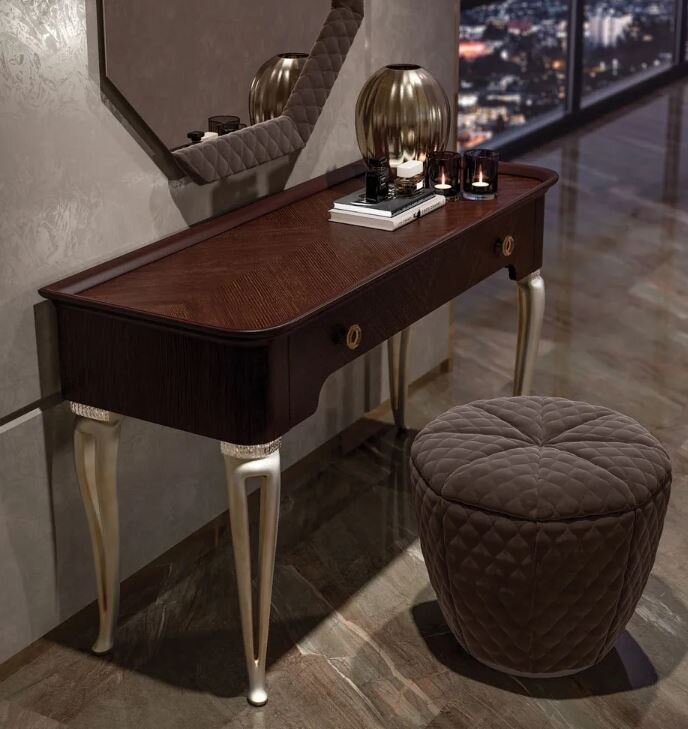
Designer Italian Dressing Table With Crystal Details
by Juliettes Interiors
Styling Essentials for a Modern Dressing Table
It’s important to dress your dressing table just as you would any other surface. A tray is the perfect place to keep your makeup brushes, lotions, and other catch-alls. Having a small box or dish to store loose jewelry and trinkets is a smart option. Don’t forget to add some color with a vase full of luscious flowers! Here are some beautiful and functional accessories we’re crushing on right now.

Brass Inlay Marble Box from West Elm

LARGE GLASS AND BRASS TRAY from CB2

Karat Lantern/Vase - Gold from Amara

Bistro Tile Vanity Tray from Anthropologie

Need help choosing the perfect dressing table for your bedroom? Schedule a design consultation today!